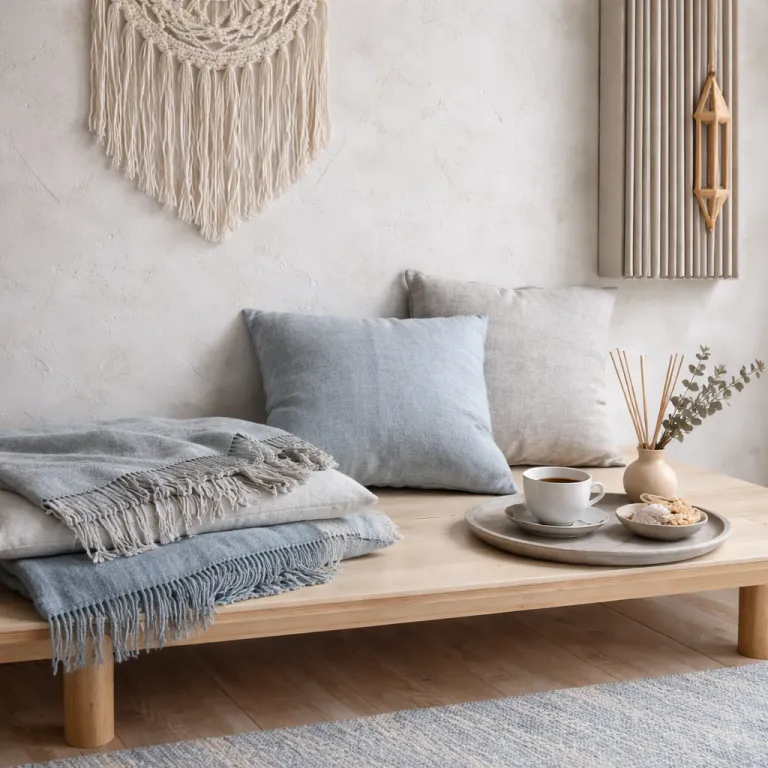
From visual styling to full multisensory hotel design experience
Walk into a memorable hotel and you feel it before you see it. The most interesting luxury hotels for bohemian travelers now treat every sense as a design material, building a multisensory hotel design experience that lingers long after checkout. This shift in hospitality design moves beyond Instagram friendly corners and into a deeper guest experience where sound, scent and touch quietly choreograph how you move, rest and create.
Researchers such as Charles Spence have shown that a carefully layered multisensory experience can significantly shape perception, behaviour and memory. His work in sensory marketing and crossmodal perception, including studies on how sound and scent influence flavour and comfort (Spence, 2011, Attention, Perception, & Psychophysics, doi:10.3758/s13414-010-0073-7; Spence, 2020, Sensehacking), underpins many new hospitality strategies and helps explain why the same room can feel radically different once noise levels, air quality and lighting are tuned. As one summary from his field puts it, “What is multisensory hotel design? Designing hotel environments that engage multiple senses to enhance guest experiences.”
For solo explorers choosing between luxury hotels, this matters more than any lobby photo. When you travel alone, your guest senses are on high alert, and a hotel experience that balances visual senses with gentle sound and subtle scent can help you decompress after dense city days. The best hotels now treat multisensory design as core infrastructure, not decorative afterthought, using biophilic design, sensory design and adaptive systems to ensure that guests feel held rather than staged.
Scent, air quality and the quiet art of memory making
In bohemian luxury hospitality, scent has become the most discreet concierge. A thoughtful hotel guest will notice how a cedar and vetiver lobby fragrance signals arrival, while unscented corridors and softer room aromas keep the multisensory experience from becoming overwhelming. This is sensory marketing at its most refined, using fragrance not as branding noise but as a gentle cue that helps guests feel grounded in place.
Air quality is the unsung partner in this story, especially in dense urban hotels where traffic and nightlife can intrude. Properties working with established wellness and sustainability consultants, such as Delos or Atelier Ten, often combine advanced filtration with natural materials, letting biophilic design and clean ventilation carry as much weight as art on the walls. At the 1 Hotel Brooklyn Bridge, for example, a focus on fresh air, reclaimed timber and abundant planting supports the brand’s nature-led concept and has been linked internally to higher guest satisfaction scores around comfort and sleep quality, with some hospitality case studies reporting 5–10% improvements after IAQ upgrades. When air feels light, particulate levels are kept low (for instance, targeting PM2.5 below 12 µg/m³) and temperature remains stable, the guest experience becomes calmer, and hotel guests unconsciously associate that comfort with the overall hotel design.
For solo travelers, these details shape memory more than any lobby sculpture. A multi sensory approach to fragrance, air and tactility can turn a short stay into one of those rare experiences you recall by scent years later, not just by location. If you want to feel this in practice near New York’s cultural core, look for a refined stay such as an elegant hotel near Midtown’s cultural energy, where hospitality design uses scent, sound and light to frame the city rather than fight it, and where HVAC systems, filtration standards and fragrance diffusion are described as part of the guest experience.
Sound, noise and the acoustic soul of bohemian hotels
Sound is where the difference between chain hotels and intimate bohemian properties becomes unmistakable. Large brands often chase silence through heavy insulation, yet end up with dead acoustics that flatten the hotel experience and make shared spaces feel transactional. Bohemian luxury hotels tend instead to curate a multisensory design where sound carries personality but never becomes noise.
In practice, that might mean a vinyl record spinning softly in the lounge, or a courtyard where the murmur of conversation blends with leaves and distant traffic. Designers influenced by neuroscience now treat acoustic zoning as seriously as lighting, using soft surfaces, textiles and irregular stone to diffuse sound and protect guest senses. At the Ace Hotel Kyoto, for instance, public areas are tuned so that background music and conversation remain around 55–65 dB, while guest rooms are acoustically shielded from the lobby’s cultural programming and designed to approach the 30–35 dB range recommended for restorative sleep. This is hospitality design as soundscape composition, where the lobby hum, bar energy and room quiet are tuned like different tracks in one album.
Solo travelers are especially sensitive to these acoustic choices, because there is no companion to buffer a harsh soundtrack or corridor echo. When hotels invest in sensory design for sound, guests experience a kind of social comfort that lets them write, read or simply be alone without feeling isolated. In cities like New Orleans, for example, the most interesting elegant stays near the Bayou Classic game balance live music energy with calm rooms, proving that multisensory experiences can celebrate local culture without exhausting the guest, and that clear acoustic targets can coexist with a lively, music-led identity.
Touch, texture and biophilic design for the solo explorer
Visual senses may draw you to a room, but touch decides whether you stay in it. Bohemian luxury hotels that understand the experience economy now invest in materials that invite contact, from cool linen sheets to unfinished wood desks that pick up the patina of each hotel guest. This tactile layer is central to any serious multisensory hotel design experience, because it is where the body quietly confirms what the eyes have been promised.
Biophilic design plays a crucial role here, especially for guests arriving from overstimulating cities. Rough stone under bare feet, woven wool on a reading chair and clay lamps that warm slightly under the hand all contribute to a multi sensory narrative of calm. These are not random décor choices; they are hospitality design decisions that help guests feel connected to something slower and more grounded than their digital lives, and they often align with wellness standards that prioritise natural materials, low-VOC finishes and tactile variety.
For solo explorers, this tactile generosity can be the difference between a room that feels like a set and one that feels like a temporary home. When hotel guests run their fingers along a textured headboard or rest on a linen covered bench, they participate in sensory marketing that respects intelligence rather than manipulating it. If you are planning a longer creative stay, look for properties highlighted in guides to design, comfort and local artistry, where hotel design uses texture and nature to support both rest and work, and where material palettes are described as carefully curated rather than merely stylish.
How to choose a truly multisensory bohemian stay
Choosing a hotel for its multisensory experiences starts long before you arrive at reception. Read between the lines of descriptions and images, looking for specific references to soundscapes, air quality, lighting and materials rather than vague lifestyle language. When a property talks clearly about sensory design, guest senses and hospitality design choices, you are more likely to find a guest experience that feels intentional rather than staged.
Pay attention to how hotels describe their digital touchpoints as well, from in room controls to pre arrival communication. A thoughtful multisensory design often extends into digital interfaces, allowing a hotel guest to adjust sound, scent intensity or lighting scenes without friction. This is where the experience economy meets practical hospitality, turning technology into a quiet tool that supports how guests feel rather than a gadget that steals attention, and it is increasingly reflected in guest reviews that mention intuitive controls and personalised ambience.
Finally, trust your own experiences and preferences more than any trend list or rating. Some travelers crave a lively lobby with piano and low conversation, while others need near silence to unwind after long days of solo exploration. The most successful luxury hotels working with interdisciplinary design studios and wellness consultants understand that multisensory experiences must be adaptable, giving hotel guests enough control to tune their own hotel experience while still feeling the property’s bohemian soul.
FAQ
What is multisensory hotel design and why does it matter for guests ?
Multisensory hotel design means shaping a hotel through coordinated choices of light, sound, scent, texture and temperature rather than focusing only on visuals. For guests, this approach creates a more coherent hotel experience where every sense is considered, which research links to higher satisfaction and stronger memory of the stay. In practice, it can mean better sleep, calmer public spaces and a guest experience that feels tailored rather than generic.
How do hotels implement multisensory design without overwhelming the senses ?
Thoughtful hotels start with restraint, using gentle scent, warm layered lighting and controlled noise levels as a base. They then add biophilic design elements such as plants, natural stone and wood, plus soft textiles that invite touch without cluttering the room. The goal is a multisensory experience where each element supports how guests feel, instead of competing for attention, and where operational guidelines specify scent intensity, target decibel ranges and air quality thresholds.
What should solo travelers look for when booking a multisensory focused hotel ?
Solo travelers should read descriptions for clear references to sound control, air quality, tactile materials and adaptable lighting rather than just décor adjectives. Reviews that mention how guests feel in the space, sleep quality and the atmosphere of lobbies or courtyards are especially useful. Properties that collaborate with specialists in sensory marketing or neuroscience aligned design are often more serious about the full guest experience.
How does multisensory design differ between large chains and smaller bohemian hotels ?
Larger chains often standardize sensory elements to maintain consistency, which can lead to neutral but sometimes bland environments. Smaller bohemian hotels usually have more freedom to experiment with local soundscapes, distinctive scent profiles and handcrafted materials that give each property a unique feel. For guests, this often translates into a hotel experience with more character, but it also requires careful curation to avoid sensory overload.
Can multisensory design really improve hotel ratings and guest loyalty ?
Studies in hospitality and psychology have shown that engaging multiple senses can increase reported guest satisfaction by notable margins. For example, research summarised in Frontiers in Psychology (e.g., Spence et al., 2014, doi:10.3389/fpsyg.2014.01368) indicates that multisensory environments can enhance perceived quality and emotional response, while industry case studies report improvements in guest satisfaction scores of 5–10% after targeted upgrades to lighting, acoustics and scent. When guests experience comfortable acoustics, good air quality, pleasant scent and tactile comfort alongside strong service, they are more likely to return and to recommend the hotel. For luxury hotels competing in the experience economy, investing in multisensory design has become a strategic way to build loyalty rather than just visual appeal.
References
Spence, C. (2011). Crossmodal correspondences: A tutorial review. Attention, Perception, & Psychophysics, 73(4), 971–995. doi:10.3758/s13414-010-0073-7. Spence, C. (2020). Sensehacking: How to Use the Power of Your Senses for Happier, Healthier Living. Penguin. Spence, C., Puccinelli, N. M., Grewal, D., & Roggeveen, A. L. (2014). Store atmospherics: A multisensory perspective. Frontiers in Psychology, 5, 13–68. doi:10.3389/fpsyg.2014.01368. Frontiers in Psychology; Hospitality Design Magazine; WATG Interior Design Trends Report; internal hospitality case studies on IAQ, acoustic comfort and guest satisfaction.