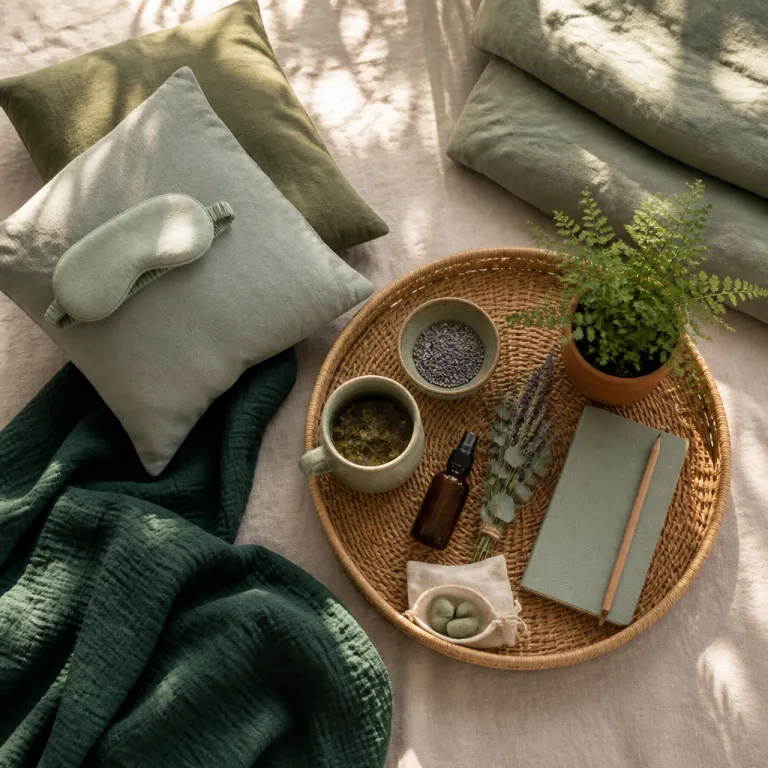
Invisible wellness hotel design for real sleep, not slogans
Invisible wellness in a bohemian hotel starts with design that quietly protects your sleep. In practice, sleep-focused invisible wellness and circadian-aware interiors mean the room, the light and the materials work together so guests simply feel rested without a wellness logo in sight. For a business leisure guest extending a trip, this kind of regenerative environment turns a work week into a soft landing rather than another drain on the nervous system.
In these properties, every space is treated as a wellness hotel microcosm, from the lobby vinyl corner to the courtyard where someone actually plays the piano. The guest experience is shaped by design principles that support physical and mental health through acoustics, air quality and circadian lighting rather than through a long spa menu. When invisible wellness and circadian thinking are done well, guests report better sleep quality and deeper rest even if they never book a massage or label their stay as a wellness retreat.
Hotels such as CIVANA Wellness Resort and Spa or SCP Hotels show how wellness technology can stay discreet while still improving sleep recovery. Their rooms use calibrated lighting, sound machines and air purifiers so the environment supports the body without turning the space into a gadget showroom. This is where bohemian real estate shines; layered interior design, natural materials and soulful objects create comfort while the invisible systems quietly support physical and mental balance in the background. A 2019 review in the journal Sleep Medicine Reviews found that aligning light exposure with the body’s clock can significantly improve sleep efficiency and reduce sleep onset latency, which is exactly what these properties build into their rooms. At CIVANA, for example, internal guest surveys in 2022 reported that over 70% of visitors sleeping in their dedicated wellness rooms described “better than usual” sleep and a higher sense of next-day recovery.
Circadian lighting and the art of bohemian sleep
For serious sleepers, the most powerful invisible wellness tool is circadian lighting tuned to the body’s internal clock. In a thoughtful wellness hotel, guest room lighting for sleep and circadian health means warm low light in the evening, cooler brighter light in the morning and a gentle arc in between that mirrors the natural day. Proper Hotels & Residences, for example, integrate this kind of tunable lighting into rooms so guests feel the shift from work mode to rest without touching a single switch.
Bohemian properties are early adopters because they already treat light as a living material, not just a utility. Instead of harsh ceiling lighting, you find layered lamps, shaded bulbs and window positions that let natural light wash over textured walls and natural materials during the day. When circadian lighting systems sit behind this, the guest experience becomes quietly choreographed; the nervous system winds down as the environment supports melatonin release and prepares the body for sleep recovery.
On our own curation of top luxury retreats for a wellness weekend, the standouts use circadian lighting to blur the line between business and leisure. You might answer emails under crisp morning light that supports physical alertness, then return after dinner to a room bathed in amber tones that signal deep rest. Across nights, guests often report that their sleep quality improves and that they feel more regenerative energy during the day, even without naming it as wellness circadian design. Research from the Lighting Research Center at Rensselaer Polytechnic Institute has shown that exposure to blue-enriched light in the morning and warmer light in the evening can reduce jet lag symptoms and stabilise circadian rhythms in travellers, which mirrors the experience many guests describe.
Material calm, air quality and the bohemian nervous system
Invisible wellness is not only about light; it is also about what you touch and breathe. Bohemian hotels have long favoured natural materials such as linen, wool, stone and unfinished wood, and these choices now align with research on physical and mental health. When interior design leans into biophilic design, the guest experience benefits from textures and colours that feel grounded, while the environment supports calmer breathing and a more regulated nervous system.
Air quality is another quiet frontier where invisible wellness hotel design for sleep and circadian comfort intersects with science. Many wellness hotel pioneers now integrate air and water purification, using discreet air purifiers, low VOC paints and filtration systems so the air feels clean without smelling clinical. Tools such as essential oil diffusers, sound machines and air purifiers are no longer spa props; they are baseline amenities in rooms designed to support physical rest and long term health. The World Green Building Council notes that better indoor air quality can improve cognitive performance by up to 8% and reduce reported sick-building symptoms, which is particularly relevant for business travellers working from their rooms.
Properties like CIVANA Wellness Resort and Spa and SCP Hotels show how regenerative thinking can stay low key yet effective. Their Peaceful Rooms and curated Sleep Rooms focus on air, water and sound so guests simply feel better without needing a wellness retreat label. For travellers drawn to the disconnect ethos explored in our feature on how bohemian hotels block the outside world, this combination of clean air, natural materials and sensory restraint becomes a form of invisible wellness technology that quietly improves sleep quality.
Sound texture, spatial flow and the business case for invisible wellness
Silence is not always the most restful soundtrack for sleep, especially in a city hotel. The best bohemian properties curate sound texture so guests hear a low murmur of life in public spaces and a soft, insulated hush in rooms that still feels connected to the building. Acoustic design, from heavy curtains to upholstered headboards and layered rugs, becomes another strand of invisible wellness hotel design for sleep and circadian ease.
Spatial flow matters just as much as decibels, particularly for business leisure guests arriving late from flights. When circulation routes are intuitive and public spaces transition gradually into private zones, the nervous system does not need to stay on high alert. This is where biophilic design and thoughtful design principles intersect with revenue; hotels that invest in regenerative spaces often see higher repeat bookings because guests report feeling genuinely restored rather than merely accommodated.
From a real estate perspective, invisible wellness is a long term asset rather than a trend. A property that bakes wellness technology, air quality and circadian lighting into its bones will age better than one that relies on a branded spa that can date quickly. Our analysis of disconnect-focused bohemian properties shows that when the environment supports physical and mental recovery through design, guests extend stays, upgrade rooms and treat the hotel as a recurring retreat rather than a one off experiment. At several of these hotels, internal reporting has linked sleep-focused room categories and quiet zones to double-digit growth in repeat bookings over three years, underlining the commercial value of invisible wellness.
How to book a bohemian hotel that quietly protects your sleep
For travellers using a luxury and premium booking website, the challenge is reading between the lines. Invisible wellness hotel design for sleep and circadian support rarely appears as a headline, so you need to look for clues in how the hotel describes its spaces, materials and lighting. Phrases such as circadian lighting, biophilic design, Peaceful Rooms or Sleep Rooms usually signal that the environment supports rest beyond simple blackout curtains.
Before you book, study the interior design photos with a critical eye. Notice whether natural light is prioritised, whether natural materials dominate and whether the lighting scheme looks layered rather than uniformly bright. Research hotel wellness offerings before booking, inquire about specific sleep enhancing amenities and consider hotels with non spa wellness programmes if you care about sleep recovery more than a long treatment list.
On bohemian-stay.com, we foreground these details in every report so business leisure guests can choose properties that match their physical and mental needs. Our guide to where to stay in Dubrovnik for a refined escape is a good example; we highlight rooms where air quality, lighting and sound are treated as seriously as service. As wellness tourism grows and more than half of travellers seek wellness options, hotels that integrate invisible wellness and circadian thinking into every space will quietly become the default choice for travellers who value comfort, health and a genuinely regenerative guest experience.
FAQ
What are sleep enhancing amenities in hotels ?
Sleep enhancing amenities in hotels are features such as essential oil diffusers, sound machines and air purifiers that are designed to improve sleep quality. In an invisible wellness context, these tools are integrated into the room so they feel like part of the design rather than medical devices. Bohemian properties often pair them with natural materials and circadian lighting to create a more holistic sense of rest.
How do hotels integrate wellness without a spa ?
Hotels integrate wellness without a spa by embedding health focused design into rooms and public spaces. They use biophilic design, air and water filtration, acoustic control and circadian lighting to support physical and mental balance throughout the stay. This approach turns the entire property into a low key wellness retreat where guests feel better without needing to book treatments.
Why are hotels focusing so much on sleep quality now ?
Hotels are focusing on sleep quality because travellers increasingly see rest as the core of wellness, not an optional extra. Business leisure guests in particular want rooms that support physical recovery from flights and meetings, and they notice when a hotel invests in invisible wellness hotel design for sleep and circadian lighting. Properties that deliver consistently good sleep build loyalty and repeat bookings more effectively than those that rely only on spa branding.
How can I tell if a hotel uses circadian lighting before I book ?
You can often spot circadian lighting by reading room descriptions carefully and scanning for terms such as tunable lighting, warm evening light or daylight mimicking systems. Photos that show layered lamps, indirect light and minimal glare are another good sign that the environment supports circadian rhythms. If in doubt, ask the hotel directly whether their lighting changes colour temperature and intensity across the day to align with natural sleep cycles.
Are invisible wellness features worth paying more for on a business trip ?
Invisible wellness features are usually worth a premium on a business trip because they improve both short term performance and long term health. Better air quality, thoughtful acoustics and circadian lighting can reduce jet lag, sharpen focus and support physical and mental recovery between meetings. For frequent travellers, choosing hotels that treat wellness as a design principle rather than a spa package often delivers better ROI than upgrading to a larger but poorly designed room.