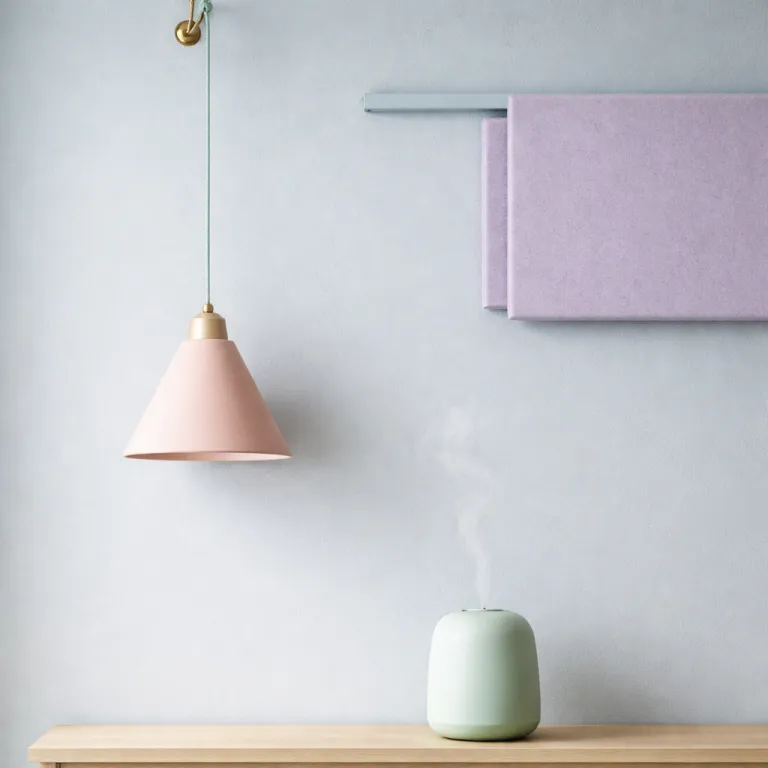
The invisible script of hotel ambiance design, lighting and scent
Step into a truly bohemian hotel and the first impression is not the furniture, but the way the ambiance wraps around you. Before you notice the art on the walls, your senses register the lighting temperature, the quiet hum of hospitality spaces and the subtle fragrance that makes the room feel instantly lived in. This is hotel ambiance design, lighting and scent working together so guests feel grounded within seconds of arrival.
Interior designers and hotel management teams now treat ambience as a strategic asset, not a decorative afterthought. In competitive hotels worldwide, specialists in interior design, fragrance oils and acoustic engineering collaborate to create hospitality spaces where the atmosphere feels intuitively right for modern business and leisure guests extending a trip. Their shared objective is clear: enhance the guest experience, reinforce brand identity and leave lasting emotional traces that help visitors remember a specific hotel ambience long after checkout.
Data from hospitality design research shows that hotels using ambient scenting and layered lighting can lift overall customer experience scores by a significant margin. A Cornell Center for Hospitality Research paper on lobby design from the mid‑2010s, for example, links warmer lighting and softer materials with higher comfort ratings and intent to return, reporting double‑digit improvements in perceived welcome. Industry guidance from the Illuminating Engineering Society puts it plainly: “Lighting sets mood and enhances aesthetics,” recommending warm colour temperatures and high colour rendering for guest‑facing areas. Scent marketing firms such as ScentAir and Air Aroma add the missing piece: hotels use specific scents to create memorable experiences and a recognisable brand identity. When you feel that a lobby, bar or suite has the perfect atmosphere, you are sensing the result of concept development, design implementation and continuous guest feedback analysis rather than an accident of décor.
Light that flatters, not interrogates; how bohemian hotels tune illumination
In the best bohemian hotels, lighting is calibrated with the precision of a sound engineer, not a showroom stylist. Designers work with a 2700K to 3000K palette in most public spaces, using warm colour temperatures to create an ambiance that softens edges and makes guests feel unhurried. You will rarely see a single harsh overhead fixture; instead, pools of light from floor lamps, wall sconces and candles create intimate spaces within the larger hotel ambience.
This layered approach to lighting design matters especially for guests who spend long hours in lobbies, lounges and co working corners. They notice when a hotel uses cold air conditioned brightness and reflective surfaces that create glare, because laptop screens and tired eyes suffer under such conditions. By contrast, bohemian properties near cultural hubs often rely on diffused luminaires, shaded bulbs and candlelight to create a more forgiving atmosphere that flatters both people and materials, typically aiming for 200–300 lux in lounges and a colour rendering index (CRI) of 90 or above so artwork, textiles and skin tones look natural.
For hotel management, the cost to impact ratio of these invisible design decisions is compelling. Swapping a few fittings for dimmable warm LEDs, adding table lamps and reprogramming lighting scenes can transform the guest experience without a full renovation. A practical sequence might include brighter, cooler scenes in the morning, soft warm dimming in the evening and accent lighting on art or bookshelves at night. When lighting supports the hotel scent program and the wider scent marketing strategy, the result is a cohesive brand identity: guests feel the same signature scent and visual warmth in the lobby, corridors and room, which helps visitors orient themselves emotionally as much as physically.
Scent as memory architecture; from white tea notes to signature hotel scents
Scent is the quiet architect of hotel ambiance, building memory structures that outlast any Instagram shot. Neuroscience research on olfactory memory, including work published in journals such as Chemical Senses, confirms what frequent travelers already know: a single fragrance can transport you back to a lobby, a bar or a specific room faster than any photograph. When hotels invest in a signature scent, they are designing not just air, but the emotional recall of their brand.
In luxury bohemian properties, fragrance design usually starts with a clear sense of brand identity and target guest. A business‑minded traveler might encounter a white tea and bergamot blend in the lobby, a softer mix of essential oils in the spa and a more focused hotel scent in meeting rooms to keep energy levels balanced. These signature scents are diffused through professional scent diffusers that use cold air technology rather than heat, preserving the integrity of fragrance oils and essential oils while ensuring consistent coverage across hospitality spaces. Typical settings might run diffusers on low output for 12 to 16 hours a day, zoning intensity so entrances feel more scented than guest corridors.
Executed well, scent marketing never feels like a sales tactic; it feels like atmosphere. The best hotels calibrate their scent diffuser systems so that guests feel enveloped, not overwhelmed, and they always offer fragrance free room options for those with sensitivities, because “Can hotel scents trigger allergies? Yes, some guests may be sensitive to certain fragrances.” In destinations where cultural events drive traffic, such as refined properties near major sports weekends in New Orleans, a carefully chosen signature scent can leave lasting associations between the trip, the city and the hotel that hosted you. Boutique brands in cities like Barcelona and Kyoto follow similar principles, pairing local botanical notes with subtle diffusion so the memory of place and property becomes inseparable.
Acoustics, materials and the art of making hospitality spaces feel human
Sound is the third pillar of hotel ambience, and it is where bohemian hotels often outclass conventional chains. Walk into a standard city hotel lobby and you will hear hard surfaces talking back to you: clattering suitcases, echoing footsteps and a soundtrack fighting to be heard over the reverberation. In contrast, bohemian properties use textiles, bookshelves, rugs and even art installations as acoustic tools to create a softer, more conversational atmosphere.
Interior designers working on these hotels treat materials as part of the scent and lighting story, not separate chapters. Natural fibres absorb both sound and fragrance, allowing subtle hotel scents to linger without becoming oppressive, while timber, plaster and fabric panels break up reflections so guests feel cocooned rather than exposed. This is especially valuable for business travelers who take calls from the lobby or bar; they notice when the customer experience includes a soundscape that respects privacy as much as aesthetics, often achieved by aiming for a reverberation time under one second in lounges and using low‑level background music to mask intrusive noise.
From a cost perspective, these invisible adjustments often outperform dramatic visual renovations. Adding heavy curtains, upholstered seating and strategically placed bookshelves can transform acoustics and ambiance at a fraction of the price of structural work, while also giving scent diffusers and lighting schemes more surfaces to play off. For bohemian hotels featured on specialist platforms, this layered approach to atmosphere is now a baseline expectation rather than a niche experiment, and many renovation briefs explicitly include acoustic targets alongside lighting levels and scent diffusion plans.
How to read hotel ambiance design when booking your next bohemian stay
For travelers browsing a luxury and premium booking website, the challenge is translating photos and descriptions into a real sense of ambiance. Start by reading between the lines of hotel reviews; look for mentions of scents, lighting, atmosphere and how guests feel in shared spaces, not just comments on room size or breakfast. Phrases about calm lobbies, warm light, subtle fragrance or thoughtful interior design usually signal that hotel ambience design, lighting and scent have been treated as core elements of hospitality, not afterthoughts.
When you compare hotels, pay attention to how they talk about their brand identity and guest experience. Properties that reference signature scents, scent diffusers, essential oils, fragrance oils or white tea notes in public areas are usually investing in professional scent marketing rather than relying on generic air fresheners. Those that mention layered lighting, smart controls and acoustic comfort are signalling a deeper understanding of how to create spaces that help guests decompress after meetings while still feeling connected to the creative energy of the neighbourhood, and some will even describe specific lighting scenes or quiet zones designed for remote work.
Before you book, do not hesitate to ask direct questions about hotel scent policies and options. You can request a room away from heavily scented areas, ask whether scent diffusers use cold air technology and confirm if personalized room scents or fragrance free floors are available to help guests with sensitivities. It is also reasonable to ask about approximate lighting levels in work areas or whether quiet lounges exist for calls. By treating ambiance as seriously as location or rate, you align your expectations with hotels that see lighting, scent and sound as the foundation of hospitality spaces, ensuring the atmosphere will leave lasting positive memories rather than fleeting impressions.
FAQ
How does lighting affect hotel ambiance for business leisure travelers ?
Lighting shapes how a hotel room or lobby feels within seconds, influencing whether guests feel alert, relaxed or fatigued. Warm, layered lighting around 2700K to 3000K tends to flatter skin tones, reduce glare on screens and support longer, more comfortable stays in hospitality spaces. For business leisure travelers who work from lounges and bars, this careful lighting design can significantly improve both productivity and overall guest experience, especially when combined with high‑CRI lamps and adjustable task lights near seating.
Why do hotels use specific scents in public spaces and rooms ?
Hotels use specific scents to reinforce brand identity and build strong scent memories that connect guests to a particular property. A well crafted signature scent, often built from essential oils or high quality fragrance oils, can make lobbies, corridors and rooms feel cohesive and emotionally familiar. When managed through professional scent diffusers, these hotel scents become part of a broader scent marketing strategy that aims to leave lasting positive impressions without overwhelming sensitive guests, often by zoning intensity and limiting diffusion during overnight hours.
Can hotel scents trigger allergies or discomfort for some guests ?
Yes, some guests may be sensitive to certain fragrances, especially when scent intensity is too high or ingredients are synthetic and poorly balanced. Responsible hotels address this by calibrating scent diffuser systems carefully, offering fragrance free room options and training staff to respond quickly to any discomfort reported by a guest. When you book, you can always ask about scent policies and request accommodations that help guests with allergies feel more comfortable.
What should I look for in reviews to judge hotel ambiance design ?
When reading reviews, focus on comments about atmosphere, not just amenities; look for mentions of calm or noisy lobbies, harsh or soft lighting, noticeable or subtle scents and how relaxed guests feel in shared spaces. Descriptions of warm light, quiet corners, gentle fragrance and thoughtful interior design usually indicate that hotel ambience design, lighting and scent have been intentionally orchestrated. Consistent praise for how a place feels across multiple reviews is a strong signal that the hotel treats ambiance as a core part of hospitality.
How can hotels balance strong brand scents with guest comfort ?
Hotels can balance signature scents with comfort by using adjustable scent diffusers, zoning fragrance levels by area and always providing unscented alternatives. Cold air diffusion systems allow precise control over intensity, helping hotels maintain a recognisable signature scent in lobbies while keeping rooms softer or neutral for sensitive guests. Clear communication at booking and check in helps guests feel respected and ensures the overall customer experience remains positive.