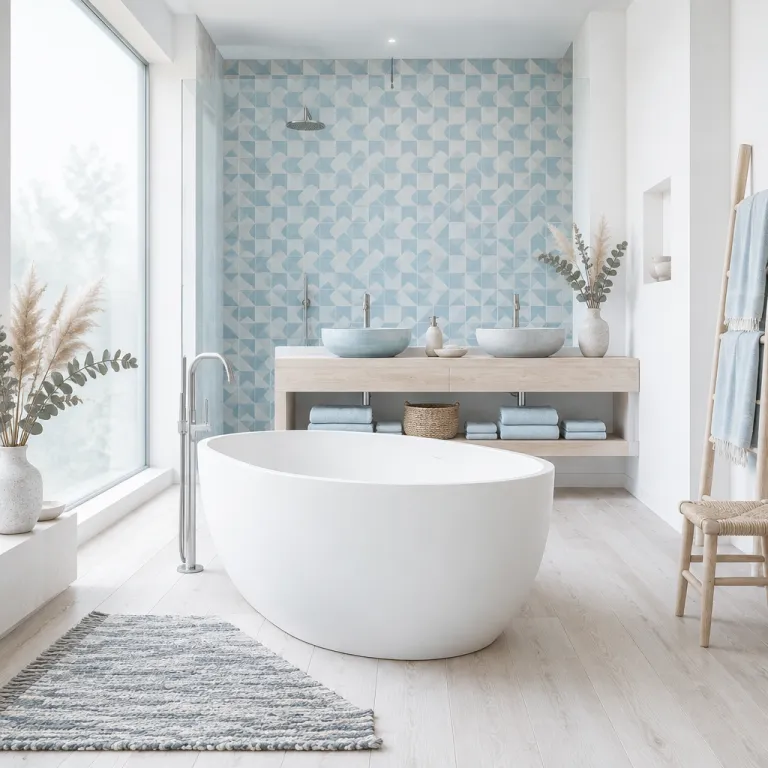
When the bathroom sets the tone for bohemian hotel luxury
The most revealing room in a bohemian hotel is rarely the bedroom. A carefully composed luxury bathroom often tells you more about the property’s soul, its priorities and its confidence. In the best addresses, bohemian hotel bathroom design luxury is not a style filter but a philosophy that shapes every bathroom, powder room and even the most compact shower corner.
Forget the anonymous marble corridors of a corporate star hotel ; here, the bathroom becomes a stage for risk taking, from hand painted tiles to sculptural stone tubs. Designers treat each bathroom as a small gallery of interior design, where a modern bathroom can feel both serene and quietly theatrical. You notice it in the way a single mirror is framed like art, in the way bathroom decor borrows from the living room with woven rugs, books and soft lighting.
For couples choosing a luxury hotel, this shift matters more than any press release. A bohemian design bathroom is where you test water pressure, privacy and how the room design supports slow mornings together. When a hotel invests in generous bathroom space, a well placed bathroom shower and a vanity that feels like a personal dressing table, it signals that guest rituals are taken seriously.
Across the properties featured on bohemian-stay.com, the most memorable rooms share a few traits. Each luxury bathroom uses natural materials such as stone and marble, but never in a cold, showroom bathroom way. Instead, tiles are irregular, walls are limewashed and the bathroom tile palette often echoes the tones of the surrounding landscape, creating a serene bathroom that feels rooted rather than generic.
Look closely at how bohemian hotels handle the threshold between bedroom and bathroom. Some keep the bathroom fully enclosed, with thick walls and a separate powder room for guests, while others open the tub to the room with only a curtain or sliding screen. That single decision about bathroom design reveals whether the property leans toward sensual openness or prefers a more discreet, luxurious modern intimacy.
Material poetry: stone, marble and tiles with a story
In bohemian hotel bathroom design luxury, materials do the storytelling long before the amenities tray. Designers are moving away from glossy, uniform marble toward stone with visible veining, textured bathroom tile and hand cut tiles that show the maker’s touch. This shift from perfection to patina is what separates a generic luxury hotel from a place with genuine character.
Couples notice when a modern bathroom feels too polished to relax in. They respond instinctively to soft plaster walls, a carved stone vanity and tiles that look sun faded rather than showroom fresh. When the bathroom decor includes a rough hewn bench, a woven basket for towels and a mirror framed in reclaimed timber, the entire interior feels more like a private spa than a standard hotel room.
Material quality now matters more than visual noise. Instead of clashing patterns, the most confident design bathroom concepts rely on a restrained palette of stone, marble and clay, then play with scale in the bathroom shower or around the freestanding tub. A single slab of marble behind the shower can become a focal point, while small format tiles on the floor add grip and tactility underfoot.
In several European properties, bathroom design has embraced local craft as a quiet form of luxury. You will see hand thrown ceramic accessories on the vanity, bathroom tile produced by a nearby atelier and carved stone basins that echo the region’s geology. This approach turns every luxury bathroom into a subtle design magazine spread, but one you can actually inhabit rather than just admire.
For travelers planning a romantic stay, these material choices are not abstract design ideas. They affect how warm the room feels, how the shower sounds and how the light moves across the walls during a late afternoon bath. When you read a hotel description, continue reading beyond the headline claims and look for specific mentions of stone, marble, tiles and locally sourced bathroom decor ; those details usually signal a more thoughtful, luxurious modern interior design approach.
Light, view and the indoor outdoor bohemian bathroom
Light is the quiet luxury in any bathroom, and bohemian hotels understand this instinctively. Instead of relying only on downlights, they choreograph natural light, reflections and shadows to create a serene bathroom atmosphere from dawn to night. For couples, this can turn a simple bathroom shower into a daily ritual rather than a rushed necessity.
One of the clearest trends in bohemian hotel bathroom design luxury is the indoor outdoor connection. You will find showers that open to small courtyards, tubs positioned for a framed view of a garden and bathroom walls that slide away to let in air while preserving privacy. This is biophilic interior design in practice, where plants, stone and water are woven together to soften the room design.
Outdoor showers have become a signature move for many a star hotel with bohemian leanings. In tropical settings, the bathroom shower might be fully open to the sky, with stone floors, lush planting and a single mirror catching the morning light. In cooler climates, designers create semi open courtyards with high walls, heated floors and a sheltered tub, giving guests that free, elemental feeling without sacrificing comfort.
Light also shapes how a modern bathroom photographs, which matters in the age of visual trip planning. A well placed window above the vanity, a skylight over the tub or a narrow slit of glass along the shower walls can make the bathroom feel twice its actual space. When you browse a luxury hotel gallery, pay attention to whether the bathroom images show daylight, a view or only artificial lighting.
The most interesting properties now treat the bathroom almost like a secondary living room, especially for couples who linger over long baths and slow mornings. Seating nooks, books on a shelf and layered decor ideas borrowed from the main room design blur the line between functional space and retreat. For a deeper look at how sensory details shape these experiences across the whole property, explore this guide to how bohemian hotels design for all five senses, then apply the same lens to the bathroom on your next stay.
Romance, privacy and the open plan bathroom debate
Ask any frequent traveling couple and they will admit it ; the bathroom often decides whether a room feels truly romantic. Bohemian hotel bathroom design luxury leans into this reality, but not always in the same way. Some properties embrace open plan layouts where the tub sits almost in the living room, while others keep the bathroom fully enclosed with thick walls and a separate powder room.
Open plan bathrooms can feel cinematic when done well. A freestanding tub near a window with a view, a double vanity with generous mirror space and a walk in bathroom shower behind glass can create a sense of shared ritual that many couples love. The risk appears when privacy is sacrificed completely, with no door for the toilet or no way to close off the bathroom from the main room.
More thoughtful bohemian hotels now offer layered solutions rather than a single bold gesture. Sliding screens, curtains and partial walls allow guests to modulate how open the bathroom feels, turning a modern bathroom into either a social space or a private retreat. This flexibility respects different comfort levels while still delivering the drama that many travelers expect from a luxury bathroom in a design led hotel.
From a booking perspective, you should always read room descriptions carefully and, if needed, ask the hotel for bathroom photos. Terms like “open plan” or “integrated bathroom design” can mean anything from a glass wall behind the bed to a simple window between the bathroom and the room. When in doubt, a quick message to the luxury hotel can clarify whether the powder room is separate and how the bathroom decor balances romance with discretion.
For couples who value shared spaces beyond the bedroom, it is worth considering how the hotel’s public areas echo this approach. Properties where the restaurant doubles as the hotel’s living room, such as those with open kitchens and communal tables, often apply the same social yet intimate thinking to their bathrooms. You can see this in places where the restaurant becomes the hotel’s living room, and the same relaxed, luxurious modern energy flows back to the guest room design.
From amenities to objects: the quiet luxury of bathroom details
In corporate hospitality, luxury is often signalled by brand name toiletries lined up on the vanity. Bohemian hotel bathroom design luxury takes a different route, focusing on the objects that stay when the bottles are empty. Ceramic dispensers, hand blown glass tumblers and locally made soap dishes turn the bathroom into a small cabinet of curiosities rather than a branded showroom bathroom.
Travelers are increasingly attentive to provenance and sustainability. They notice when a modern bathroom uses refillable containers, natural materials and textiles that feel soft but substantial rather than flimsy and disposable. A stone tray holding a bar of soap from a nearby maker, a woven basket for amenities and a mirror framed in local wood all contribute to a more grounded luxury bathroom experience.
This attention to detail extends to the less photogenic parts of bathroom design. Good lighting around the vanity, hooks placed where you actually need them and a bathroom shower with intuitive controls all shape how effortless the space feels. When these practicalities are handled with care, the decor ideas can remain understated, allowing the materials and proportions to speak.
For couples planning a stay, these details are worth seeking out in reviews and photos. Look for mentions of interior design that references local craft, bathroom decor that feels personal rather than generic and amenities that go beyond the usual miniature bottles. When a star hotel invests in such touches, it usually reflects a broader commitment to thoughtful room design across the property.
Seasoned travelers often time their stays to enjoy these spaces at their quietest. Shoulder season trips can mean more time lingering in a serene bathroom, with fewer guests competing for spa appointments or the best rooms. For an insider perspective on why this timing flatters many bohemian properties, especially those positioning themselves as a luxury hotel for design minded couples, read about how shoulder season transforms bohemian hotels and then imagine those same calm rhythms applied to your own bathroom rituals.
How to read bathroom photos like a design editor
When you scroll through a hotel gallery, the bathroom images are often your most reliable guide. Bohemian hotel bathroom design luxury reveals itself in the gaps between the styled shots, in the corners where practicality and aesthetics meet. Learning to read these photos with a design magazine eye can help you choose rooms that match your expectations.
Start with the basics ; look at the layout. Is there enough space between the tub, the vanity and the bathroom shower to move comfortably, or does the room design feel cramped despite the decor ideas. Notice whether the walls are tiled to full height, partially tiled or left in plaster, as this often indicates how the hotel balances durability with atmosphere.
Next, study the materials and fixtures. A modern bathroom that mixes stone, marble and warm metals usually signals a more considered interior design approach than one relying solely on shiny chrome. Pay attention to the bathroom tile transitions between floor and walls, the quality of the mirror and whether the lighting appears harsh or soft around the vanity.
Then, look for signs of real life. Towels that look genuinely plush, a stool near the tub, a small rug on the floor and a window that actually opens all suggest a bathroom designed for use, not just for photographs. If every image feels like an advertisement continue moment, with no hint of storage or practical surfaces, you may be looking at a space that prioritises style over comfort.
Finally, remember that the bathroom is part of a larger narrative. The most satisfying stays happen when the bathroom decor, the living room atmosphere and the overall interior feel coherent, even if each space has its own personality. When a property achieves this balance, the bathroom stops being a mere functional zone and becomes the most radical, quietly luxurious modern expression of the hotel’s bohemian identity.
Why the bathroom now defines bohemian hotel confidence
Across the high end travel landscape, the bathroom has become a litmus test for design confidence. Bohemian hotel bathroom design luxury pushes this further, using the bathroom as a laboratory where risks are taken with colour, materials and layout. Guests feel this immediately, whether they are stepping into a compact powder room off the lobby or a sprawling en suite with a view.
Minimalist properties express their assurance through restraint. A serene bathroom with a single stone basin, a walk in bathroom shower and bare plaster walls can feel more luxurious than a space overloaded with patterns. Maximalist hotels, by contrast, might layer patterned tiles, bold paint and eclectic bathroom decor, yet still achieve harmony through careful room design and consistent interior design language.
For couples, these choices translate into mood. A bathroom with soft lighting, a generous tub and enough free surface on the vanity for two people’s belongings signals that the hotel understands shared routines. When the bathroom tile is warm underfoot, the mirror is large enough for two and the space feels acoustically calm, the room quietly invites longer stays and slower mornings.
As you plan your next trip, treat the bathroom as a primary filter rather than an afterthought. Read guest reviews that mention water pressure, privacy and layout, and continue reading when someone describes how the bathroom made them feel, not just how it looked. The properties that consistently deliver on these points are usually the same ones that excel in other areas, from the living room like lobby to the restaurant and beyond.
In the end, the bathroom has become the place where bohemian hotels show their true hand. It is where luxurious modern aspirations meet daily rituals, where design ideas are tested against steam, water and time. Choose a hotel where the bathroom feels both radical and reassuring, and you will likely find that every other space, from the showroom bathroom inspired spa to the most modest guest room, carries that same quiet confidence.
Key figures shaping bohemian hotel bathroom design
- According to a global survey by Marriott International, more than 50% of guests say bathroom design is a primary factor in their perception of overall room quality, highlighting why luxury properties now invest heavily in bathroom upgrades.
- Research from the American Society of Interior Designers reports that biophilic elements such as natural light and indoor plants can increase perceived relaxation in hospitality bathrooms by up to 30%, supporting the rise of indoor outdoor bathroom concepts in bohemian hotels.
- A study by Booking.com found that rooms with freestanding tubs or distinctive bathroom features receive up to 20% more clicks in search results than standard rooms, underlining the commercial impact of standout bathroom photography.
- Data from the Global Wellness Institute indicates that wellness focused travel has grown at more than double the rate of general tourism, encouraging luxury hotels to treat every bathroom as a mini spa with thoughtful materials and layouts.
- Energy efficient fixtures, including low flow bathroom shower heads and taps, can reduce water consumption in hotel bathrooms by up to 30% according to the U.S. Environmental Protection Agency, allowing design led properties to combine sustainability with comfort.
FAQ about bohemian hotel bathroom design luxury
Why do bohemian hotels invest so much in bathroom design ?
Bohemian hotels use bathroom design to express their identity, because it is the most intimate, scrutinised space in any room. A well considered luxury bathroom signals that the property values daily rituals as much as visual impact. It also differentiates them from corporate competitors that often rely on standardised layouts and finishes.
What should couples look for in a romantic hotel bathroom ?
Couples should prioritise layout, privacy and light. Look for a comfortable tub, a bathroom shower with good water pressure, a vanity with enough space for two and lighting that can be dimmed for evening baths. Details such as soft textiles, natural materials and a view or window also contribute strongly to a romantic atmosphere.
Are open plan bathrooms practical for every traveler ?
Open plan bathrooms can feel dramatic and luxurious, but they do not suit every guest. Travelers who value privacy may prefer layouts where the toilet and shower can be fully closed off from the main room. When booking, it is wise to ask the hotel for specific bathroom photos or clarification about doors, partitions and sound insulation.
How can I tell if a hotel bathroom will feel truly luxurious from photos ?
Look beyond the styling and focus on materials, proportions and light. Natural stone, quality bathroom tile, generous mirror sizes and visible windows usually indicate a more thoughtful design. Also check for practical elements such as storage, hooks and seating, which suggest the bathroom was planned for real use rather than just photography.
Do locally sourced bathroom amenities really make a difference ?
Locally sourced amenities often reflect a hotel’s broader commitment to place and sustainability. When soaps, ceramics and textiles come from nearby makers, the bathroom decor feels more authentic and less generic. For many travelers, these details enhance the sense of connection to the destination and elevate the overall luxury experience.