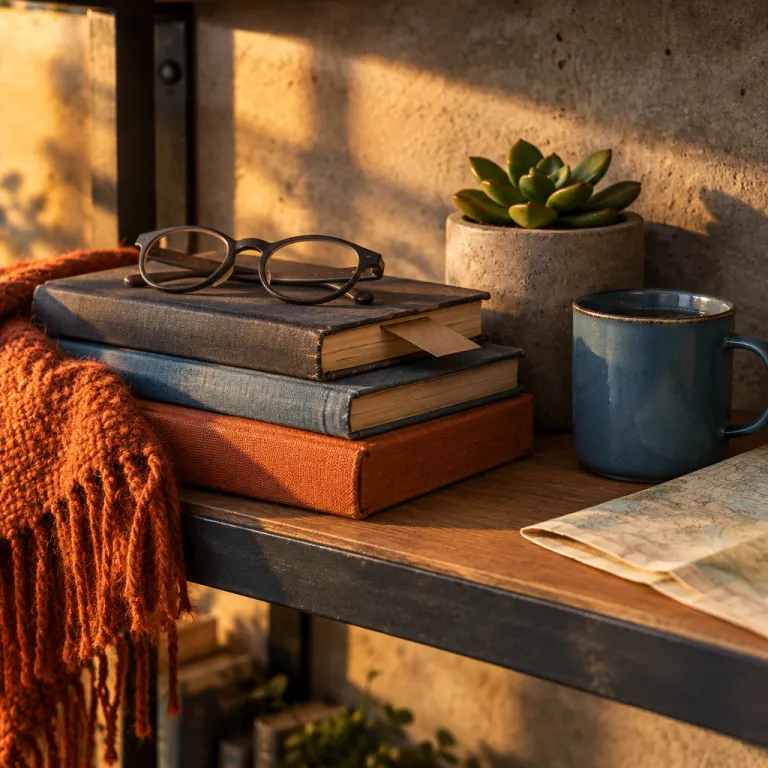
The bohemian hotel library as an honest portrait of the stay
Walk into a genuinely bohemian hotel and head straight for the library. In a few quiet minutes among the shelves, the bohemian hotel library book collection curated by the owners will tell you more about your stay than any glossy brochure ever could. When the space is filled with hand picked books that show wear, annotations and folded pages, you can be confident that guests actually read here and that the hotel takes its literary soul seriously.
A thoughtful library in these hotels is never just decorative art or background styling. The way each book is placed, the mix between local history, contemporary fiction and photography, and the presence of children’s titles all reveal whether the collection is a living, breathing retreat or a staged prop. A truly bohemian library hotel treats its shelves as a private conversation with inviting guests, using a curated collection of volumes to express what the property values and how it wants you to feel.
Look closely at the categories in any hotel library that claims a literary identity. If the shelves are fully dominated by pristine coffee table books about generic art and design, you may be in a space designed more for Instagram than for reading. When you see a balanced collection of novels, poetry, travel writing and local history, with some volumes clearly well read and others newly added, you are probably standing in the most honest room of the hotel.
How book categories reveal a hotel’s self image
Every bohemian hotel library book collection curated with intent uses categories as a kind of coded language. A wall of local history titles suggests a property that sees itself as a guardian of place, while shelves of contemporary literary fiction signal a hotel that wants to feel current, cosmopolitan and intellectually agile. When you find shelves filled with photography books and monographs on historic art, you are likely in a hotel that leans into visual culture and design led storytelling.
Families should pay attention to how many children’s books and young adult novels appear in these libraries. A hotel that reserves an entire low shelf for picture books, graphic novels and easy reading titles is quietly saying that younger guests are not an afterthought but part of the core audience. In contrast, a library that hides a single worn children’s book behind rows of heavy art volumes is probably less serious about being a family friendly retreat.
Some hotels go further and commission their own reading lists, printing small cards that guide guests through the collection books by theme. When you see a hand picked list that pairs a novel set in the city with a slim volume on local history and a photography book about the neighbourhood, you are looking at a curated collection that respects your time and curiosity. That level of care usually reflects a property where the rest of the stay will be equally considered.
Curated library versus decorative bookshelf
The difference between a curated library and a decorative bookshelf becomes obvious once you know what to look for. In a decorative space, the books are often arranged by colour, with identical spines and no sign that anyone has ever stopped to read. In a genuinely bohemian hotel library book collection curated for use, you will notice mixed heights, different textures and the subtle disorder that comes from regular browsing by guests.
Pay attention to how the books are oriented and handled. Spine out rows with occasional cover out displays usually indicate that someone has thought about both aesthetics and access, while stacks of untouched coffee table volumes suggest that the library is more about styling than substance. When you see a few well read paperbacks resting on side tables, perhaps next to a half finished cup of tea, you are likely in a library hotel where reading is part of daily life rather than a marketing line.
Another tell is how often the collection changes and how fully it reflects the city outside. Properties that rotate titles seasonally, adding new literary releases and local authors, show the same attention to detail that you might find in a carefully programmed bar where locals actually drink and linger. For a deeper sense of how this authenticity plays out beyond the shelves, look at how some neighbourhood focused properties integrate their libraries with community life, as explored in this guide to bohemian properties that belong to their neighbourhood.
Signs the library is meant to be used
There are practical signals that a bohemian hotel library book collection curated for real use will always share. Comfortable chairs with good back support, side tables at the right height and warm, layered lighting all suggest that the hotel expects you to sit and read for more than a few minutes. When the space is filled with throws, cushions and a mix of armchairs and sofas, it becomes a genuine retreat rather than a corridor with shelves.
Look for small but telling details such as reading lamps that actually work, baskets of spare reading glasses and notes inviting guests to borrow books to their room. A hotel that labels shelves clearly, perhaps grouping titles into literary fiction, travel, history and art, is signalling that it respects your time and wants you to find the right book quickly. These touches show that the library is fully integrated into the rhythm of the stay, not just a backdrop for photographs.
Parents should notice whether there are low tables for board games, puzzles and children’s books alongside the main collection. When a library offers both quiet corners for private reading and communal tables where families can gather, it becomes a flexible space that serves different kinds of guests equally well. That balance is a strong indicator that the hotel understands how to host premium families who value culture as much as comfort.
Family friendly reading retreats: the rainy day test
For families booking a bohemian stay, the library is the perfect place to apply what many frequent travelers call the rainy day test. Ask yourself whether you could happily spend an entire wet afternoon here with children, moving between reading, drawing and quiet games without feeling restless. If the answer is yes, the hotel has likely invested in a library that functions as a true retreat for all ages.
In a well designed library hotel, you will usually find a mix of seating zones that support different moods. There might be a low, carpeted corner filled with picture books and cushions for younger guests, a long communal table for teenagers to spread out laptops and sketchbooks, and a few more private armchairs for adults to read in peace. When the shelves are filled with both classic children’s stories and contemporary young adult titles, the message is clear : this is a space where every member of the family is invited to read.
Parents should also look for practical amenities that make extended time in the library realistic. A small honesty bar with tea, water and snacks, nearby restrooms and clear rules about respectful noise levels all contribute to a space where families can settle in without stress. Properties that pass this rainy day test often excel in other soft service details as well, from flexible check in to thoughtful late checkout policies during shoulder seasons, as highlighted in this analysis of why shoulder season turns bohemian hotels into their best selves.
How libraries support multi generational stays
Multi generational trips place particular demands on a hotel, and the library can either ease or amplify those pressures. When a bohemian hotel library book collection curated for families includes large print editions, local history titles and art books alongside children’s stories, grandparents and teenagers can share the same space without competing for attention. This kind of inclusive curation turns the library into a quiet social hub rather than a silent museum.
Look for signs that the hotel understands how families actually use shared spaces. Low shelves with durable books for younger readers, higher shelves with more fragile art volumes and clear signage about borrowing policies all help different age groups navigate the library confidently. When staff are comfortable recommending titles or setting up a simple reading challenge for children, you know the library is part of the service culture, not just a decorative extra.
Families who value culture often choose hotels where the library doubles as a planning room for the next day’s adventures. Maps, guidebooks and local literary works placed near a large table encourage guests to sit together and design their own itineraries. In these moments, the library becomes the intellectual heart of the hotel, shaping how you experience the city beyond its walls.
From hotel Paris salons to New York lofts: styles of bohemian libraries
Bohemian hotel libraries take many forms, from hushed salons in a grand hotel Paris address to sunlit loft spaces in converted New York warehouses. In Paris, you might find a library filled with French literary classics, slim poetry volumes and art books on historic art movements that shaped the city. These spaces often echo the intimacy of a private apartment, with low lighting, velvet chairs and shelves that feel as if they have grown over decades.
Across the Atlantic, a library hotel in Manhattan or Brooklyn may lean into a more industrial aesthetic, with exposed brick, high ceilings and rolling ladders. Here, the bohemian hotel library book collection curated by the owners might mix contemporary American fiction, photography books on street culture and local history titles about the neighbourhood’s evolution. When such libraries are filled with both well read paperbacks and pristine new releases, they reflect a city that is always rewriting its own story.
In coastal retreats from California to the Cyclades, bohemian libraries often blur the line between indoors and outdoors. Shelves might hold weathered travel books, nature writing and photography collections focused on sea and sky, inviting guests to read with doors open to the breeze. Whatever the style, the most successful libraries share one trait : they feel like extensions of the hotel’s architecture and landscape, not generic sets dropped into place.
How regional context shapes the curated collection
Regional context plays a decisive role in how a bohemian hotel library book collection curated for travelers takes shape. In a hotel Paris property, you might see shelves dominated by French authors, bilingual editions and books on local history, fashion and art, reflecting a city that exports culture as confidently as it hosts visitors. A rural retreat, by contrast, may focus on nature writing, regional cookbooks and photography books that celebrate the surrounding landscape.
Urban hotels in creative districts often use their libraries to showcase local voices. They may stock small press poetry collections, zines and self published works alongside more established literary names, turning the shelves into a subtle map of the neighbourhood’s creative scene. When these libraries are filled with both polished hardbacks and modest chapbooks, they signal a property that values authenticity over polish.
For families, this regional lens can turn the library into a gentle introduction to local culture. Children’s books translated into multiple languages, picture books about local myths and accessible history titles help younger guests connect with the destination. Parents who use the library as a starting point for conversations about place often find that their children remember the stories behind a city long after the trip ends.
Booking with confidence: reading a hotel’s shelves before you reserve
On a luxury and premium booking website focused on bohemian hotels, the library should be as visible as the pool or the spa. When browsing options, look for detailed descriptions of the bohemian hotel library book collection curated on site, not just a single photograph of shelves in the background. Properties that take their libraries seriously often highlight the number of volumes, the main categories and whether guests can borrow books to their rooms.
Pay attention to how the booking platform describes the relationship between the library and the rest of the hotel. If the copy mentions regular literary events, author talks or family reading hours, you can expect a space that is fully integrated into the guest experience. When reviews from previous guests praise the library as a favourite retreat, noting that it is filled with comfortable seating and hand picked titles, that feedback is often more reliable than any staged image.
Some booking sites now allow filters for amenities such as libraries, reading rooms or literary themed stays. Use these tools to narrow your search, then read the property descriptions carefully to distinguish between a decorative bookshelf and a genuine library hotel. For a sense of how a well integrated cultural amenity can elevate an urban stay, consider how this review of an elegant stay near Midtown’s cultural energy treats proximity to museums and theatres as part of the same ecosystem as the hotel’s own quiet spaces.
Questions to ask before you book
Before confirming a reservation, do not hesitate to contact the hotel directly with a few precise questions about the library. Ask whether the bohemian hotel library book collection curated on site is accessible to children, whether there are specific family friendly reading corners and whether books can be borrowed overnight. A property that responds quickly and in detail is more likely to maintain its libraries with the same care.
It is also worth asking how often the collection is updated and whether the hotel collaborates with local bookstores or publishers. Hotels that partner with independent booksellers or literary festivals tend to offer more dynamic, relevant shelves than those that rely on a one time delivery of decorative volumes. When staff can name recent additions or recommend a book based on your interests, you can be confident that reading is part of the service culture.
Finally, consider how the library fits into your family’s travel rhythm. If you know that afternoons often call for a quiet retreat, prioritise hotels where the library is centrally located, filled with natural light and open throughout the day. In these properties, the shelves become more than décor ; they are part of the infrastructure that makes a premium family trip feel both relaxed and enriching.
When a library becomes the hotel’s cultural engine
In the most compelling bohemian properties, the library evolves into the cultural engine of the hotel. It is where staff pin up flyers for local exhibitions, where guests leave notes in the margins of shared books and where impromptu conversations between strangers begin over a shared love of a particular author. A bohemian hotel library book collection curated with this kind of openness turns the space into a living archive of the people who pass through.
Some hotels formalise this role by hosting regular reading circles, children’s story hours or small scale literary salons. These events often draw both in house guests and neighbours, blurring the line between private retreat and public cultural space. When a library is filled with traces of these gatherings, from well read poetry collections to dog eared local history titles, you can feel the difference in atmosphere as soon as you enter.
For premium families, this cultural engine can be a gentle way to introduce children to the idea that hotels are not just places to sleep but temporary homes in living communities. When young guests see adults reading in common spaces, hear quiet discussions about books and find shelves that welcome their curiosity, they begin to associate travel with learning rather than only consumption. Over time, these experiences shape how they will choose hotels as independent travelers.
The library as a measure of long term care
A hotel’s library also offers clues about how the property thinks in the long term. Shelves that are regularly dusted, books that are repaired rather than discarded and catalogues that show a steady expansion over time all suggest an ownership that invests in continuity. In such places, the bohemian hotel library book collection curated today will still feel relevant years from now, evolving with the city and its guests.
By contrast, a library that looks frozen, with outdated guidebooks and faded art volumes, may indicate a property that has not kept pace with its own narrative. Families who value thoughtful hospitality often find that the most satisfying stays happen in hotels where the library, like the staff, feels both rooted and responsive. When you see new titles on recent social movements, contemporary fiction and children’s literature alongside older classics, you are witnessing a commitment to ongoing dialogue.
In the end, the shelves tell a story about priorities. A hotel that allocates budget and attention to its libraries is usually one that will handle the quieter details of your stay with similar care, from late night room service to early morning checkouts. For travelers who read the room literally, the library becomes the most reliable guide to the stay ahead.
Key figures on hotel libraries and reading led stays
- According to a report from the American Hotel & Lodging Association, properties that offer distinctive cultural amenities such as libraries or art collections report guest satisfaction scores up to 15 % higher than comparable hotels without these features, underscoring the value of reading focused spaces for premium travelers.
- Data from the National Endowment for the Arts shows that around 52 % of American adults engage in some form of literary reading each year, which helps explain why hotel libraries that provide varied, accessible collections see consistent usage across age groups.
- A survey by Booking.com found that more than 30 % of travelers consider unique communal spaces, including libraries and reading rooms, as a deciding factor when choosing accommodation, particularly among families seeking multi generational retreats.
- Research from the World Travel & Tourism Council indicates that cultural tourism, which includes visits motivated by art, history and literary heritage, accounts for an estimated 40 % of global tourism revenue, highlighting the strategic role of well curated hotel libraries in attracting this segment.
- Studies in environmental psychology suggest that access to quiet, book filled spaces can reduce perceived stress levels by up to 20 %, which aligns with guest feedback that often describes hotel libraries as essential retreats during busy urban stays.
FAQ about bohemian hotel libraries
How can I tell if a hotel library is genuinely curated ?
A genuinely curated library usually shows a thoughtful mix of categories, visible signs of use and regular updates. Look for hand picked titles on local history, art and literary fiction, alongside children’s books and contemporary works. Clear organisation, comfortable seating and staff who can recommend a book are strong indicators that the collection is meant to be read, not just admired.
Are bohemian hotel libraries suitable for children and families ?
Many bohemian hotels now design their libraries with families in mind, offering low shelves with durable picture books, young adult novels and games. When you see dedicated children’s corners, step stools and clear borrowing policies, the space is likely family friendly. It is always worth asking the hotel in advance whether children are welcome in the library and at what times.
Can guests usually borrow books to their rooms ?
Policies vary, but in most library focused hotels guests are encouraged to borrow books during their stay. Some properties use simple sign out sheets, while others operate on an honour system that trusts guests to return titles before departure. If borrowing is important to you, confirm this detail with the hotel before booking.
What types of books should I expect in a bohemian hotel library ?
A strong bohemian hotel library typically balances literary fiction, poetry, travel writing, local history and art or photography books. In urban properties, you may also find zines, small press titles and works by neighbourhood authors. Family oriented hotels often add children’s literature and young adult novels to ensure that every guest can find something to read.
Do hotel libraries really influence the quality of a stay ?
For travelers who value culture and quiet time, a well designed library can significantly enhance the stay. These spaces offer a calm retreat, support multi generational trips and provide insight into how thoughtfully the hotel is run. While a library may not replace core factors like location and service, it often signals a level of care that carries through the entire property.