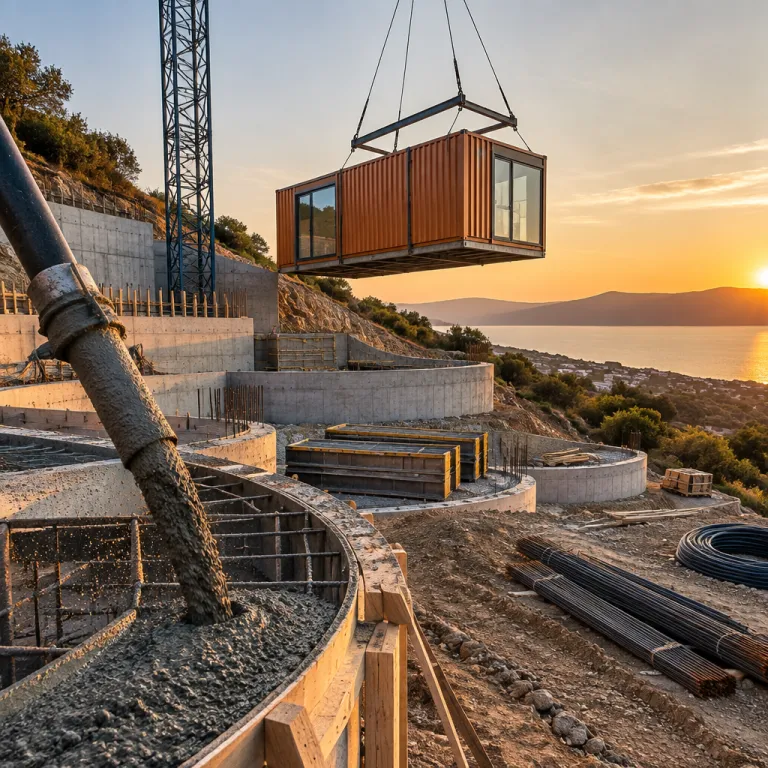
Landscape architecture as the quiet star of bohemian family stays
Landscape architecture in a truly bohemian hotel begins long before the first guest arrives. The most compelling, site-responsive bohemian retreats treat the land as client, not backdrop, allowing every path, terrace, and pool to follow existing contours rather than erase them. For families choosing a hotel, this means children move through outdoor spaces that feel intuitive and safe, because the project was designed around how bodies actually flow across a slope, a dune, or a rocky headland.
On a well considered site, the architecture and the land negotiate constantly, and the building never quite wins. You see it in the way stone walls are built to echo local geology, in guest rooms that step down a hillside instead of stacking into a generic slab, and in interior design that repeats the same tones you see in the surrounding beach or forest. This is where hospitality design stops being a style choice and becomes a form of quiet environmental literacy that even first time visitors can feel in their bones.
For a premium family, the promise is simple yet rare. A land-led, bohemian hotel with terrain-driven architecture will give you rooms and shared spaces that stay cool through passive ventilation, terraces that catch prevailing breezes instead of fighting them, and a setting where children can roam between pool, garden, and beach without crossing a single car lane. When a hotel design draws its cues from the land, every room becomes a front row seat to the site itself, not just to a framed postcard view.
From nice view to site responsive: how the land shapes every decision
Many hotels sell a view; far fewer let the view and the wind and the light dictate the architecture. A genuine landscape-led, bohemian hotel with site-responsive design starts with mapping sun paths, storm directions, and existing vegetation, then asking where guest rooms, family suites, and shared spaces naturally want to sit. The architect listens to the land, then works with a studio team to translate those constraints into a hospitality concept that feels inevitable rather than imposed.
Think of Ytre in Norway’s Traena Archipelago, where 38 rooms were completed in 2022 by Vardehaugen Architects as a way of life shaped by the sea and community, with pale wood finishes and minimalist Scandinavian design. Here, the architecture is built low and narrow so winter winds slip over the roofs, while interior design uses warm timber and textiles to counter the stark beauty outside. The result is a hotel where every room and corridor frames the shifting light over the water, and where visitors sense that the project could not exist anywhere else on earth.
Families planning longer stays can lean into this logic of patience driven travel. A landscape-attuned, bohemian hotel that responds to its site rewards those who settle in for more than a quick weekend, because you start to read how the setting changes hour by hour and how the building responds. For practical planning around extended bohemian stays, guides such as this perspective on the week two threshold for bohemian hotel stays help you align your booking strategy with the rhythm of the place itself.
Biophilic design for families: beyond potted plants and into the terrain
Biophilic design in a bohemian hotel has matured far beyond a few potted palms in the lobby. The most thoughtful, landscape-integrated family retreats use expansive glazing, planted courtyards, and shaded verandas to erase the hard edge between interior spaces and the land. Children move from room to terrace to garden in a single fluid sequence, while parents enjoy hospitality services architecture that quietly manages shade, airflow, and acoustics.
Na Praia in Portugal, set between Atlantic dunes and a protected nature reserve, shows how a coastal project can be designed for slow living without feeling stage managed. Low rise volumes sit behind the dune line to protect both the beach and the building, while guest rooms open onto sheltered patios that act as outdoor living rooms for families. Here, the architecture and interior design draw from the same palette of sand, stone, and native planting, so the hotel feels like an extension of the reserve rather than a resort dropped on top of it.
For parents, this kind of landscape led hospitality design translates into real world benefits. A carefully oriented, bohemian hotel that works with its microclimate often needs less mechanical cooling because cross ventilation and deep overhangs do the work, which means quieter rooms and more time with windows open to the sound of waves or rustling trees. If you want to understand how sensory comfort completes the picture, it is worth reading about the shoulder season magic in bohemian hotels, when milder temperatures and softer light make these biophilic spaces feel especially generous.
Cliffs, stilts, and tents: structures that make the landscape the main event
Some of the most memorable bohemian hotels use unconventional structures to let the land lead. A site-responsive, landscape architecture approach might carve suites into a cliff, lift family rooms on timber stilts above wetlands, or stretch tented roofs between existing trees to avoid cutting them down. In each case, the architect accepts constraints as creative fuel, and the resulting spaces feel more like inhabiting a landscape than occupying a building.
Cliff carved rooms often use thick stone walls for natural insulation, so guest rooms stay cool in summer and hold warmth in cooler months without aggressive air conditioning. Stilted structures over mangroves or rice paddies allow water to move freely beneath, while decks become safe observation platforms where children can watch birds and tides without trampling fragile ecosystems. Tented suites, when properly designed, use layered fabric and careful orientation to manage heat and glare, turning what could be a simple camping gesture into refined hospitality design.
For families browsing a luxury booking website, these structural choices are not just visual drama. A bohemian hotel that relies on stilts or tents usually signals a deeper respect for hydrology, soil, and native vegetation, which tends to correlate with quieter paths, darker night skies, and more authentic encounters with local culture. When you see a project where the design draws clearly from the land’s logic, you can expect a stay where the setting, not the lobby styling, becomes the story your children remember.
Reading a booking page: how to spot hotels that answer to the land
On a luxury booking website, the language around landscape architecture can be vague, but the clues are there. Look for descriptions that explain how a site-responsive, bohemian hotel layout shaped the arrangement of rooms, pools, and paths, rather than generic claims about views and sunsets. When a hotel explains how its architecture was designed around existing trees, rock formations, or wind patterns, you are usually looking at a project where the land had a real voice.
Photography tells its own story if you know where to look. Images that show guest rooms stepping with the terrain, stone walls that match local geology, and outdoor spaces that feel like natural clearings rather than carved out lawns all point to a site led approach. If the interior design repeats textures from the surrounding setting — driftwood tones near a beach, weathered timber in a forest, or earth pigments in a desert — the design draws its character from the land rather than from a global décor playbook.
Finally, pay attention to how a property talks about comfort and calm. A landscape-conscious, bohemian hotel will often highlight passive cooling, shaded walkways, and quiet, car free circulation, which matter enormously when traveling with children. For a deeper sense of how sensory comfort is orchestrated, the piece on lighting, scent, and acoustics as invisible architecture shows how serious hotels treat atmosphere as carefully as floor plans, turning every room into a tuned instrument rather than a generic box.
FAQ
How is a landscape led bohemian hotel different from a hotel with a good view ?
A landscape led bohemian hotel uses the site to shape every decision, from where guest rooms sit to how paths follow natural contours. A hotel with a good view may simply face windows toward scenery without adjusting its architecture to topography, wind, or light. In a genuinely site-responsive, land-led design, the building feels inseparable from its setting, not just oriented toward it.
Why are landscape integrated hotels better for families with children ?
Landscape integrated hotels often create car free circulation, layered terraces, and natural play areas that feel intuitive and safe for children. Because the architecture follows the land, slopes are gentler, sightlines are clearer, and outdoor spaces connect directly to rooms, so parents can supervise easily. This kind of terrain-driven, bohemian hotel planning also tends to offer more shade, natural cooling, and quieter environments for naps and early bedtimes.
How can I tell from photos if a hotel is truly site responsive ?
Look for buildings that step with the terrain, not against it, and for stone, timber, and planting that clearly match the surrounding landscape. Check whether guest rooms open directly onto terraces or gardens that feel like part of the natural setting rather than raised decks over manicured lawns. When images show the same materials and colors flowing from interior spaces into the outdoors, you are likely seeing a carefully considered, site-responsive approach.
Does landscape led architecture usually mean a more sustainable stay ?
Landscape led architecture often reduces energy demand by using orientation, shading, and natural ventilation instead of relying solely on mechanical systems. When a hotel is designed around existing vegetation and water flows, it typically requires less irrigation and fewer hard surfaces, which benefits local ecosystems. While sustainability claims should always be checked carefully, a genuine, land-sensitive design usually aligns with lower impact operations.
Are landscape focused bohemian hotels always remote or hard to reach ?
Many landscape focused bohemian hotels sit in dramatic settings, but they are not always isolated or inaccessible. Some are located near small towns, coastal villages, or even on the edges of cities, where the architecture still answers to the land through careful orientation and planting. The key is not remoteness but whether the hotel’s landscape architecture and site planning let the existing terrain lead, even when roads and neighbors are close by.