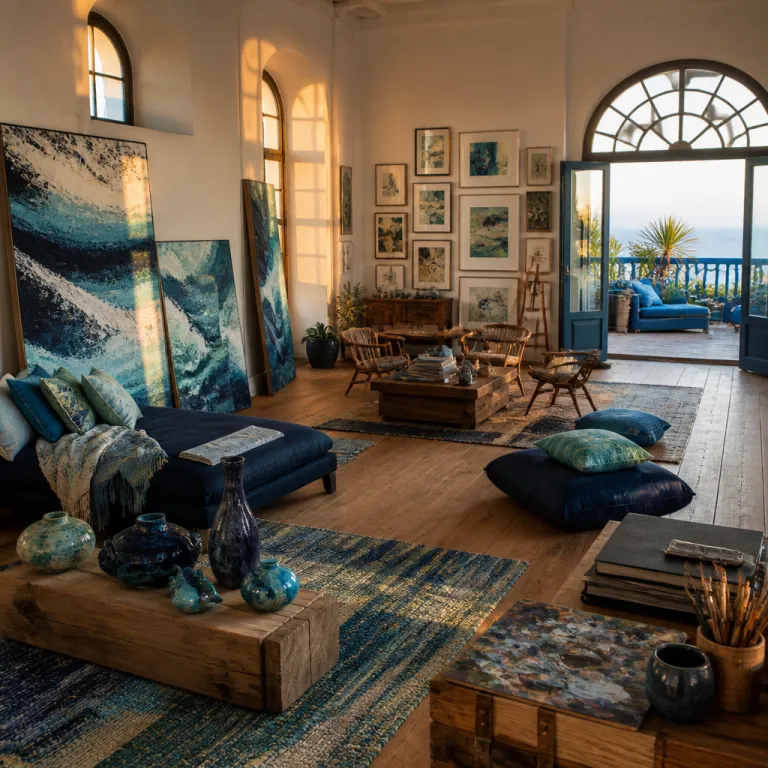
From décor to dialogue: when a bohemian hotel becomes a cultural venue
A genuine bohemian hotel lives in the present tense of art, not in a frozen aesthetic of mismatched chairs and macramé. In the strongest bohemian hotel artist residency cultural programming, the lobby shifts from transit zone to cultural venue where guests encounter working artists and evolving arts projects. You feel it the moment you arrive, because the energy of an active studio and the rhythm of live performance quietly replace the usual background playlist.
Across luxury and premium properties, the most convincing cultural programme is built around a clear residency structure rather than sporadic events. A hotel that treats its artist residency as a core program, with defined terms and conditions, studio space, and a calendar of artist talks, sends a different signal than one that simply hangs contemporary art on the walls. The difference is the presence of artists at work, the visibility of the creative process, and the way the local community is invited into the building as more than paying guests.
Artel, for example, positions itself as a luxury hotel where art residency is not a side project but a foundation of the brand. The property offers private studio spaces on site, giving visual artists and performing arts practitioners room to work while maintaining a refined environment for business leisure travellers. Saint Kate – The Arts Hotel follows a similar path, with dedicated studios where local artists and international guests share the same corridors, and where the connection between guests and artists curators is designed rather than improvised.
How to read the signals of authenticity
For travellers scanning a booking website, the language around any residency programme reveals how seriously the hotel takes culture. Look for a clearly described residency program or residency programme, with information about the duration of each edition, the type of artists involved, and whether the public can attend performances or artist talks. When a property publishes an open call for visual artists or performing arts practitioners, and outlines opportunities to develop new work on site, it usually indicates a structured artist residency rather than a marketing flourish.
Another signal lies in how the hotel integrates contemporary art into daily operations, not just into an art gallery corner. A bohemian hotel artist residency cultural programming strategy that places a working studio near the lobby or bar, or that turns a circulation space into a temporary exhibition, shows that art is part of the lived environment. When you see references to individual and group projects, collaborations with the local community, and free access events for guests, you are looking at a property that understands culture as participation.
By contrast, a wall of framed prints with no information about the artist, no mention of a residency, and no schedule of arts events usually signals a decorative approach. The most reliable bohemian hotels publish clear terms and conditions for their residency programme, list past and current artists, and explain how local artists and local international guests can interact. This level of transparency helps business travellers decide whether the hotel’s cultural ambitions align with their own expectations for meaningful travel.
Inside the studio: what a hotel artist residency really looks like
At its best, a hotel based artist residency is a living ecosystem where creative work unfolds in real time. A typical residency program runs for one to two weeks, echoing industry data that the average duration of artist residencies in hotels is around two weeks, long enough for artists to settle yet short enough to keep the programme dynamic. During that period, guests witness the creative process in shared spaces, from sketches on tables in the bar to rehearsals for a performance in a courtyard.
Artel’s model illustrates how a luxury hotel can give artists both privacy and visibility without compromising guest comfort. Private studio rooms function as fully equipped work spaces, while scheduled open studio hours invite guests to step inside and talk about the work in progress. The Mandrake, by contrast, leans into interactive residencies where artists use public space as a stage, inviting guests into rituals, installations, and sometimes intimate performing arts happenings that blur the line between audience and collaborator.
Saint Kate – The Arts Hotel has become a reference point for integrating visual arts into a premium hospitality setting. The property offers a dedicated studio for its artist in residence, and the hotel’s own art gallery and performance venues host regular events that are free for guests and open to the local community. Auberge Resorts Collection has developed its Auberge ArtSalon series as a roaming residency programme, where contemporary art installations and artist talks travel between properties, giving business leisure travellers a sense of continuity across different city stays.
From open call to check in
Behind every polished residency programme sits a rigorous selection process that mirrors the standards of respected cultural institutions. Many hotels now issue an open call once or twice a year, inviting visual artists, performers, and writers to propose projects that respond to the property, the city, or the surrounding landscape. Applicants are evaluated by a panel that often includes artists curators, hotel representatives, and sometimes members of a partner foundation or local arts organisation.
For travellers, this matters because it shapes the calibre and diversity of the artists you will encounter during your stay. A hotel that welcomes both local artists and international guests through its residency programme tends to generate richer conversations and more layered cultural programming. When you read that a residency program supports individual and group projects, and that it offers opportunities to develop new work rather than simply exhibit existing pieces, you can expect a more experimental atmosphere.
Once artists arrive, the hotel’s terms and conditions define how they use the space, how they interact with guests, and what kind of public outcomes are expected. Some residencies culminate in a performance, an exhibition in the hotel’s art gallery, or a series of artist talks, while others prioritise the creative process itself and keep outcomes deliberately open. As a guest, you benefit most when the hotel communicates this clearly, so you can choose whether you prefer a quiet studio focused residency or a more extroverted programme filled with events.
Bleisure, bohemia and why executives seek culturally active hotels
Business travellers extending a trip into leisure time increasingly look for hotels that offer more than a polished lobby and efficient service. For this audience, a bohemian hotel artist residency cultural programming strategy provides a rare combination of high standards and genuine creative energy. After a day of meetings, stepping into a live studio or an intimate performance can feel more restorative than another anonymous bar.
The data backs this shift toward culturally active stays, with industry research indicating that a growing share of luxury travellers can quickly identify hotels designed for mass appeal. In response, properties like Hotel El Ganzo in Mexico have built their identity around hosting artists who transform rooms, rooftops, and public spaces into living canvases. Guests move through corridors where murals evolve over days, and where the connection between guests and artists is not staged but grows from casual encounters at breakfast or during a sunset performance.
For executives used to tightly scheduled days, the informal structure of an artist residency can be a powerful counterbalance. Instead of booking a ticketed show across the city, they can wander down to a courtyard where a musician in residence is testing new material, or drop into an artist talk in the hotel’s art gallery between calls. This proximity to the creative process turns the hotel into a cultural venue that fits naturally into a busy travel schedule, making cultural immersion feel effortless rather than aspirational.
How to choose the right cultural programme for your stay
When browsing a luxury booking website, start by reading how each hotel describes its arts programming. Look for specific references to an art residency or artist residency, details about studio space, and mentions of both visual arts and performing arts events. A property that lists past editions of its residency programme, with names of artists and examples of their work, usually offers a more substantial experience.
Next, consider how the programme aligns with your own travel rhythm and professional commitments. If you are extending a work trip by a few days, a hotel with scheduled artist talks in the early evening and free access exhibitions in the lobby may fit better than one with late night performances. Some properties, such as those featured on bohemian-stay.com’s guide to luxury bohemian hotels with distinctive breakfast and cultural offerings, curate calendars that balance quiet studio visits with occasional large scale events.
Finally, pay attention to how the hotel positions its relationship with the local community and local artists. A credible bohemian hotel artist residency cultural programming approach will highlight collaborations with neighbourhood organisations, partnerships with a foundation or art school, and events that are open to both guests and residents of the city. This shared ownership of the cultural space helps prevent the theme park effect, where art becomes a backdrop rather than a living conversation.
Funding the canvas: how hotels sustain serious cultural programming
Running a meaningful residency program inside a luxury hotel is not a low cost exercise. Even a twenty room property must allocate budget for studio build outs, materials, curatorial fees, and the opportunity cost of dedicating prime space to non revenue activities. Yet the hotels that commit to this path argue that the return comes through differentiation, loyalty, and a deeper emotional connection with guests.
Some properties structure their residency programme through partnerships with foundations, galleries, or cultural organisations that share costs and expertise. A hotel might provide accommodation, studio space, and hospitality, while a partner foundation covers artist stipends and helps select participants. This model allows smaller properties to host both local and international artists without compromising service levels for paying guests.
Other hotels integrate cultural programming into their broader brand strategy, treating each residency edition as a long term investment in identity rather than a short term marketing campaign. They track not only occupancy and rate, but also qualitative feedback about the arts programme, the perceived authenticity of the creative process, and the strength of the connection between guests and the local community. Over time, this data helps refine terms and conditions, clarify expectations for individual and group projects, and ensure that the residency remains sustainable for both artists and operators.
The operational reality behind the romance
From an operational perspective, the most successful bohemian hotel artist residency cultural programming initiatives are those that integrate smoothly into daily workflows. Housekeeping schedules must adapt to studio needs, front desk teams require training to explain the programme, and security protocols must account for public events. When these elements align, the hotel can host performances, exhibitions, and artist talks without disrupting the guest experience.
Properties like The Mandrake and Hotel El Ganzo demonstrate that clear communication is as important as creative ambition. They publish straightforward terms and conditions for artists, outline expectations around interaction with guests, and coordinate with local community partners to manage attendance at free events. This clarity protects both the integrity of the creative process and the comfort of business leisure travellers who may want to engage deeply or simply observe from a distance.
For guests, understanding this operational backbone can inform booking decisions. A hotel that treats its residency programme as a structured, ongoing commitment is more likely to offer a consistently high quality cultural experience than one that experiments with occasional pop up events. When you see references to multiple residency editions, collaborations with visual artists and performing arts groups, and a track record of opportunities to develop new work, you are looking at a property that has moved beyond décor into genuine cultural stewardship.
From gallery wall to working studio: avoiding theme park bohemia
The market is now crowded with hotels that borrow the language of bohemia without investing in its substance. A few vintage posters, a record player, and a shelf of art books do not constitute a bohemian hotel artist residency cultural programming strategy. The real test is whether artists are present, whether work is being made on site, and whether guests can engage with that process in ways that feel natural rather than staged.
One useful distinction is between static display and dynamic practice. A gallery wall of purchased contemporary art can be beautiful, but it remains a finished product, disconnected from the rhythms of the hotel. A working studio, by contrast, introduces uncertainty, mess, and conversation, as visual artists and performers negotiate space with guests and staff, and as the local community drifts in for open studio days or evening performances.
Hotels that embrace this dynamic approach often collaborate closely with local artists and arts organisations to ensure relevance. They might host a residency programme focused on themes specific to the city, invite local community members to participate in workshops, or commission site specific performances that respond to the building’s architecture. In these contexts, the connection between guests and artists becomes a genuine exchange, with travellers bringing their own perspectives into the creative process.
Setting expectations as a guest
For travellers wary of theme park authenticity, a few practical checks can help separate substance from surface. Read how the hotel describes its arts programme and look for concrete details about the residency program, including the number of artists hosted each year and the types of work produced. If the website mentions artist talks, open studios, or collaborations with a foundation or local gallery, you are more likely to encounter real cultural activity.
Pay attention to how often the hotel updates information about its artist residency. Regularly refreshed content, with new names, images of work in progress, and references to recent performances, suggests an ongoing commitment rather than a one off marketing push. Some properties even share a month by month calendar, so you can time your travel to coincide with a particular edition of the residency programme, perhaps in june when many cities host parallel arts festivals.
Finally, consider your own comfort level with proximity to the creative process. A hotel that positions itself as a cultural venue may host events that spill into shared spaces, from impromptu performances in the bar to installations in corridors. If you value quiet above all else, choose a room away from the main studio areas, or select dates when the residency is between editions, while still benefiting from the accumulated presence of contemporary art throughout the building.
Designing for connection: how spaces shape cultural immersion
The architecture of a hotel plays a decisive role in how effectively it can function as a cultural venue. A successful bohemian hotel artist residency cultural programming concept depends on spaces that can flex between private retreat and public engagement. Corridors, courtyards, and lounges become stages, galleries, and studios, often within a footprint of less than 5 000 square metres.
Hotels like Saint Kate and Artel demonstrate how to carve out dedicated studio space without sacrificing guest comfort. They position studios near circulation routes but buffer them acoustically, allowing guests to glimpse the creative process without being overwhelmed by noise or clutter. Transparent doors, subtle signage, and thoughtfully placed seating encourage casual encounters, turning a walk to breakfast into an opportunity to watch an artist at work.
Programming then animates these spaces with a rhythm that suits both artists and travellers. Morning might bring quiet studio time, afternoons could host free access workshops for the local community, and evenings might feature performances or artist talks in the bar or courtyard. By structuring the residency programme around the natural flow of the hotel day, operators create opportunities to develop meaningful interactions between guests, local artists, and visiting practitioners, while maintaining the calm expected of a luxury property.
Technology, privacy and the future of cultural stays
As more hotels adopt residency models, technology is reshaping how guests engage with on site culture. Some properties now offer digital guides to their arts programme, allowing travellers to browse information about each artist, view examples of work, and check schedules for performances or talks. This transparency helps business leisure guests plan their time, deciding when to join a public event and when to retreat to their room.
Privacy remains a critical consideration, both for artists and for guests. Clear terms and conditions around photography, studio visits, and social media sharing protect the integrity of the creative process and prevent the residency from becoming a spectacle. Hotels that strike this balance successfully tend to attract more serious visual artists and performing arts practitioners, reinforcing the quality of their cultural offer.
Looking ahead, the most compelling bohemian hotel artist residency cultural programming will likely deepen ties with the local community while maintaining international reach. Properties that host both local and international artists, support individual and group projects, and collaborate with foundations and cultural organisations will continue to stand out. For travellers, these hotels offer not just a place to sleep, but a chance to inhabit the living fabric of a city’s arts scene, one stay at a time.
Key figures on hotel artist residencies and cultural programming
- Industry reporting indicates that around 50 hotels worldwide now offer structured artist residencies, a small but influential segment of the global luxury and premium market (Forbes, hospitality and arts coverage).
- The average duration of an artist residency in a hotel setting is approximately two weeks, long enough for artists to develop new work while keeping the programme fresh for repeat guests (Reviewed by Artists, residency data).
- Sector research shows that a large majority of luxury travellers say they can identify hotels designed for mass appeal, which increases demand for properties with distinctive cultural programming and on site contemporary art initiatives (SiteMinder and industry analyses).
FAQ about bohemian hotels, artist residencies and cultural immersion
What is an artist residency in a hotel ?
A program where hotels host artists to create art on site. In practice, this usually includes accommodation, studio space, and opportunities for public engagement through exhibitions, performances, or artist talks. Guests benefit by experiencing the creative process up close during their stay.
How do artist residencies benefit hotels ?
They enhance cultural appeal and attract art loving guests. For luxury and premium properties, a well designed residency programme differentiates the hotel from mass market competitors and strengthens its identity as a cultural venue. Over time, this can build loyalty among travellers who prioritise meaningful experiences over generic design.
Can guests interact with artists during residencies ?
Yes, many programs encourage guest artist interactions. Hotels often schedule open studio hours, informal conversations in shared spaces, and public events such as performances or talks. Business leisure travellers can choose their level of engagement, from brief encounters to deeper conversations about the work.
How can I find hotels with serious cultural programming rather than decorative art ?
Start by reading how each property describes its arts programme and residency program on booking platforms and official websites. Look for details about studio spaces, the number of artists hosted, collaborations with local community partners, and a calendar of events. Hotels that publish clear terms and conditions for their residency, list past editions, and highlight both visual arts and performing arts activities are more likely to offer substantive cultural immersion.
Do hotel artist residencies focus more on local or international artists ?
Most successful programmes balance local and international participation. They invite local artists to anchor the residency in the city’s cultural context, while welcoming international guests and visiting practitioners to bring new perspectives. This mix creates richer opportunities to develop dialogue between artists, curators, guests, and the surrounding community.