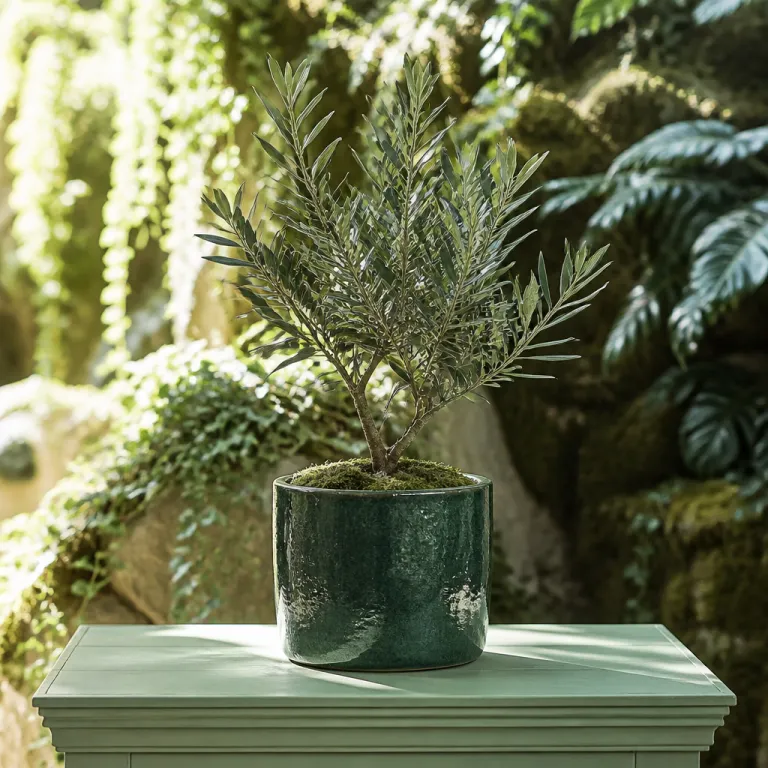
The courtyard as the true bohemian living room
Step into a genuinely bohemian hotel and you often arrive, not in a marble lobby, but in a courtyard scented with jasmine and wood smoke. Guests drift in with suitcases, pause under a fig tree, and end up sharing a first glass of wine at a mismatched table while the official reception desk waits in the background. In these garden focused properties, the courtyard or open air terrace quietly replaces the lobby as the emotional centre of the stay.
Consider San Ysidro Ranch in the hills above the California coast, where layered gardens turn every path into a private event for the senses. Here, the courtyard functions as a grand salon in the open air, with gravel underfoot, jasmine overhead and guest rooms arranged so that doors open directly into perfumed greenery. This is where the hotel shows its priorities, because the garden is treated as the primary room and the indoor lounge becomes secondary.
Across the Atlantic, Hôtel Henriette in Paris hides a secret courtyard that proves how a compact bohemian hotel garden can still feel expansive. The design favours mismatched chairs, climbing plants and a relaxed bar service that drifts outside whenever the weather allows. One returning guest described it as feeling like “a tiny jungle where breakfast just slowly turns into the rest of your day,” capturing how easily time stretches in such a space. You quickly understand that the courtyard is the venue for slow breakfasts, late wine conversations and impromptu moments that never needed a ballroom.
Le 5 Particulier in the western part of the city follows the same philosophy, turning a 19th century residence into a sequence of terraces and lawns that act as informal event spaces. Here, the garden is not a backdrop but a lived in room where guests read, work and share a glass of wine while the city hums beyond the walls. This is the essence of a bohemian courtyard retreat, where the boundary between private sanctuary and social venue is deliberately porous.
Mediterranean, tropical and urban gardens: three ways to stage the sky
Different climates shape different versions of the bohemian hotel courtyard experience, and each region has its own strengths. Mediterranean properties such as hillside retreats in Crete or Paros lean into stone, canvas and native plants to blur the line between rugged mountain landscape and guest terrace. Tropical stays, by contrast, embrace lush overgrowth and treat every path as a small adventure between room and bar, ideal for guests seeking resort style gardens and open air lounges.
Urban hotels must work harder, which is why places like The Forum Hotel, a Kimpton property in Charlottesville, use an arboretum and botanical gardens as their calling card. Instead of a showpiece lobby, the property orients guest rooms and event spaces toward curated greenery, with paths that feel like a campus rather than a corridor. This approach echoes biophilic design research, where architects prioritise interior courtyards, green walls and natural materials to create a continuous indoor–outdoor flow.
In dense city districts, the rooftop terrace often becomes the most valuable event space and the truest expression of bohemian intent. A well handled rooftop can host a small wedding, a relaxed wine bar and a quiet morning yoga session without ever feeling like a generic city club. When you read about peak season properties already generating waitlists for courtyard wedding venues and rooftop suites, you will notice that the most coveted rooms are usually those closest to a characterful rooftop or courtyard rather than the ones nearest the reception desk, as highlighted in our guide to high demand bohemian stays.
Tropical resorts in places like the Caribbean or Southeast Asia often treat the garden as a wild theatre, where palms, pools and open air bars merge into one continuous venue. Mediterranean hotels, by contrast, tend to frame views more tightly, using stone walls, pergolas and small pools to create a sequence of intimate outdoor rooms. Urban bohemian hotels sit somewhere between, using courtyards, rooftops and narrow terraces to carve out pockets of calm within the city grid.
Wild versus manicured: how much control should a bohemian garden show ?
One of the defining questions for any bohemian style hotel garden is how far to let nature run. Too manicured, and the greenery feels like a stage set that belongs to a corporate brand rather than a creative host. Too wild, and guests may struggle to find comfortable seating, clear paths or usable event space when they actually want to linger.
San Ysidro Ranch offers a masterclass in balance, with roses and citrus trees carefully trained yet never over disciplined, so the garden feels generous rather than perfect. Hôtel Henriette leans more toward the wild side, with plants allowed to spill over pots and walls, creating a sense that the city has been gently pushed back by greenery. Le 5 Particulier sits in between, using structured lawns and clipped hedges to frame more relaxed corners where guests can move chairs, rearrange tables and effectively design their own temporary venue.
For families, this balance matters because a shared courtyard often doubles as a playground, reading room and informal dining area. Our guide to family friendly bohemian hotels shows how the best properties create zones within one garden, so adults can enjoy a quiet glass of wine while children explore safely nearby. When a hotel gets this zoning right, the courtyard becomes the most versatile room on the property.
Wild planting also has operational implications, from maintenance schedules to how staff manage outdoor service during an event or wedding. A more controlled garden may host formal celebrations with long tables and structured seating, while a looser landscape encourages picnic style gatherings, courtyard wedding receptions and casual wine blending workshops. The key is intentionality, because a successful bohemian garden looks effortless but is always the result of precise, often invisible decisions.
When the garden is the experience, not the backdrop
Some properties go further and make the outdoor garden and courtyard the main reason to stay, not just a pleasant extra. At The Forum Hotel in Charlottesville, the on site arboretum and botanical gardens are woven into daily life through walking paths, outdoor seating and seasonal programming. Guests are encouraged to book garden view rooms because the landscape is treated as a living exhibition rather than a static lawn.
Le 5 Particulier uses its landscaped garden as a continuous living room, where breakfast, remote work and evening drinks all unfold under the same trees. Hôtel Henriette turns its courtyard into a stage for small cultural moments, from quiet readings to informal gatherings that feel more like a friend’s home than a formal hotel event. Blakes Hotel in London, with its layered interiors and intimate outdoor corners, shows how even a compact city property can make the garden the emotional centre of the stay.
Across these examples, the common thread is that the garden dictates the rhythm of the day. Guests naturally adjust their routines to the light, the temperature and the availability of a favourite table or bench, rather than to the opening hours of a lobby bar. This is where a bohemian courtyard becomes a form of soft architecture, shaping behaviour as effectively as any corridor or staircase.
Industry research supports this shift, with surveys from firms such as CBRE’s 2023 Americas Hotel Insights and Booking.com’s 2024 Sustainable Travel Report indicating that a clear majority of travellers now prefer rooms with natural views and meaningful outdoor access. Hotels that invest in immersive garden experiences have seen higher guest satisfaction scores and stronger repeat bookings, especially among travellers seeking longer, slower stays. For a luxury and premium booking platform, highlighting which properties treat the garden as the experience itself is one of the most reliable ways to guide discerning travellers toward genuinely characterful stays.
Operations, seasonality and the invisible architecture of outdoor life
Designing a compelling bohemian inspired courtyard is only half the story, because operations must support the vision every day. Outdoor centric hotels need flexible staffing, weather responsive layouts and service rituals that move easily between interior rooms and exterior terraces. When this choreography works, guests experience a seamless flow from breakfast in the courtyard to a late drink at the bar without ever thinking about logistics.
Seasonality is another crucial factor, especially in temperate climates where gardens change dramatically across the year. Properties like San Ysidro Ranch and Le 5 Particulier use layered planting and thoughtful lighting to ensure that the garden remains inviting in cooler months, even when flowers are not at their peak. Many hotels now integrate eco friendly landscaping, edible gardens and outdoor wellness spaces such as yoga decks or spa cabanas to keep the courtyard relevant beyond a short summer window.
Sound, scent and light also play a decisive role in how a bohemian garden setting feels at different times of day. Our feature on the invisible architecture of bohemian hotels explores how subtle lighting, restrained music and natural fragrances can transform a simple terrace into a deeply atmospheric venue. When these elements are tuned carefully, the garden becomes the most persuasive argument for choosing one property over another.
For travellers using a luxury and premium booking website, this means reading beyond room size and spa menus to understand how a hotel actually lives outdoors. Look for evidence of guided garden tours, seasonal programming and thoughtful details such as blankets, shade structures and flexible seating. The more a property invests in these operational nuances, the more likely it is that its courtyard will feel like the true heart of the stay rather than a decorative afterthought.
How the grand bohemian brand turns gardens into social stages
Within the broader landscape of bohemian hotels, the Grand Bohemian properties in Marriott’s Autograph Collection offer a useful case study in how a brand can treat outdoor areas as social theatres. In Birmingham, the Grand Bohemian Hotel Mountain Brook positions its garden, terraces and rooftop spaces as the primary gathering points rather than the marble lined lobby. This hotel in the city’s Mountain Brook neighbourhood shows how a characterful courtyard can anchor an entire guest journey from arrival to late night drinks.
The Grand Bohemian Hotel Mountain Brook in Birmingham is part of the Autograph Collection, and its design language revolves around art, wine and nature. Guests move between an art gallery, a wine blending room and cooking school experiences that often spill into adjacent terraces or semi open event spaces. Because the property is pet friendly, the garden and rooftop areas also become informal meeting points for travellers and locals, turning the hotel into a relaxed neighbourhood venue rather than a sealed off luxury tower.
Proximity to the Birmingham Botanical Gardens and the Birmingham Zoo reinforces this focus on outdoor life, making the hotel’s setting feel connected to a wider network of green spaces. Many guests choose garden facing rooms specifically so they can step directly into the courtyard or onto a balcony before heading out to explore the city. For weddings and private celebrations, the hotel offers multiple event options, from intimate terraces to larger venues that use the garden as both ceremony backdrop and reception stage.
Across the Grand Bohemian collection, including the Birmingham property often referred to informally as the Mountain Brook Autograph or Brook Autograph, the pattern is consistent. The brand treats bars, restaurants and event spaces as extensions of the garden, encouraging guests to drift between interior rooms and outdoor lounges throughout the day. For travellers comparing bohemian hotels on a booking platform, this integration of art gallery culture, wine experiences and botanical surroundings is a strong signal that the garden genuinely matters more than the lobby.
Frequently asked questions about garden focused bohemian hotels
Which hotels have the best gardens ?
San Ysidro Ranch, The Forum Hotel in Charlottesville, Le 5 Particulier, Hôtel Henriette, Blakes Hotel.
Are garden view rooms more expensive ?
Yes, typically due to higher demand.
Do these hotels offer garden tours ?
Many provide guided tours ; check with the hotel.
How can I tell if a garden is central to the hotel experience ?
Look for photos where guest rooms, bars and event spaces all open directly onto courtyards, terraces or rooftop gardens. When the property highlights outdoor dining, seasonal programming and proximity to botanical gardens or parks, the garden is usually a core part of the stay rather than a decorative lawn.
What should I ask before booking a garden focused bohemian hotel ?
Ask how much of the year the garden is in active use, whether breakfast or evening drinks are served outside and if any wedding venues or private events might occupy the courtyard during your dates. These frequently asked details will help you understand whether the outdoor areas will feel calm and accessible or busy with event activity.