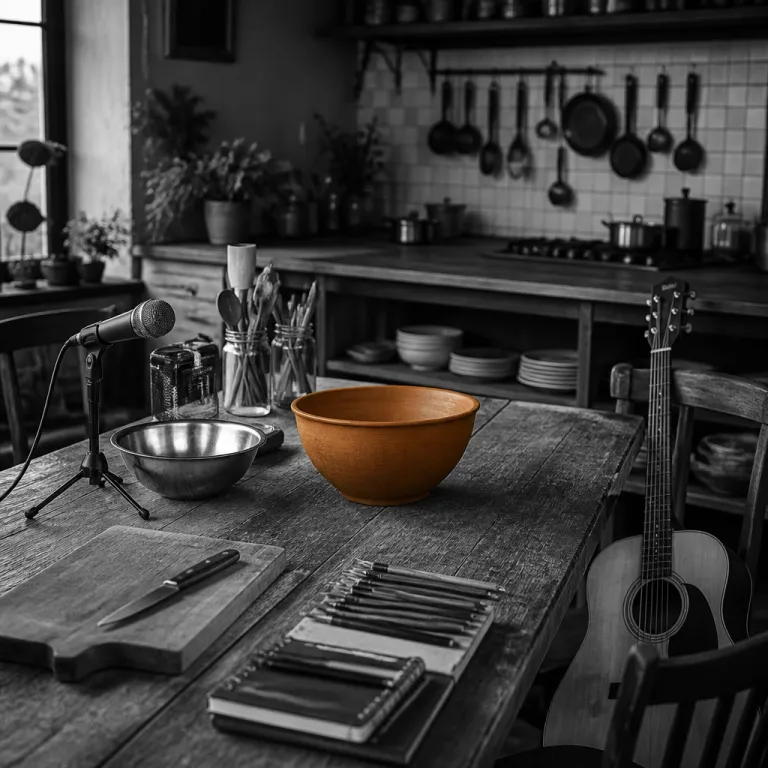
The courtyard as summer stage for arts and culture
Long summer evenings can turn a genuinely bohemian hotel courtyard into a shared living room and informal arts venue. When the programming is thoughtful, these creative summer workshops and arts gatherings feel less like scheduled entertainment and more like an open invitation to join an evolving work of art. Families, solo travelers and small groups of women gather under string lights while an artist tunes a guitar and children quietly arrange mixed media supplies on low tables, often in groups of six to ten so everyone can participate.
At properties such as Grand Bohemian Lodge Asheville in North Carolina, the courtyard doubles as gallery and performance space, where arts culture events flow naturally from daytime workshops into twilight concerts with local beer and wine served alongside regional small plates. Parents can slip into a creative retreat session, while teenagers review the line up of live sessions and younger children enjoy supervised wheel throwing or learn basics of sketching with materials included. These layered summer experiences turn a simple retreat into a living classroom, where every day offers a new creative experience without feeling over programmed, especially when the hotel caps most sessions at modest group sizes and clearly lists age guidance in advance.
Hotel Willa in Taos, New Mexico, shows how a year round residency model can peak in summer when the weather and the light are on the artists’ side. According to the hotel’s 2024 residency overview, the property hosts twelve residencies per year, and residencies last four weeks, so guests arriving in July or August will often find an artist mid project, using the courtyard as both studio and informal public library of ideas. Workshops are held periodically, and yes, workshops are open to the public, which means people staying elsewhere in town can still join the hotel’s creative sessions and then leave reviews that help future guests find the right fit. As one Taos based painter described it in a 2024 interview with a regional arts magazine, “you feel like you’re stepping into an ongoing conversation rather than a one night show,” especially when you can return to the same courtyard table and see how the work has evolved.
Kitchen as classroom: meals included, stories shared
When a hotel kitchen opens its doors to guests, the result can be one of the most memorable bohemian style culinary workshops of the entire trip. The best properties treat each cooking session as a cultural exchange rather than a performance, turning recipes into a narrative about land, seasons and people. Families who usually rush through meals at home suddenly slow down, tasting olive oil from Italy or corn from north New Mexico while a chef explains why this particular harvest is a gift to the plate, how long it has been grown in the region and which farmers supplied the ingredients.
At The Bohemian Bali, the restaurant is framed as a tribute to the diverse culinary heritage of the island, and summer brings more daylight hours for hands on workshops where meals included in certain packages become part of the curriculum. Guests might spend the day at the market with the chef, then return to the open kitchen for a small group class where materials included range from spices to hand thrown ceramics made in a partner studio. For families planning a week perfect for both relaxation and learning, these sessions offer structure in the morning and free time by the pool in the afternoon, with yoga meditation or live music in the courtyard after dark, and typical classes limited to eight or twelve participants so everyone can chop, stir and taste.
On our own booking platform, we flag when meals are included in a creative retreat package and when guests should check specific details about dietary options or whether beer and wine pairings are part of the experience. This level of clarity matters for parents budgeting both time and money, especially when they want to balance free activities with paid workshops. If you are comparing properties with strong culinary programming, the in depth guide to an elegant stay near Midtown’s cultural energy on Bohemian Stay shows how a city hotel can also use its kitchen as a classroom, even without a tropical courtyard, by offering short evening classes, kid friendly tasting menus and clear notes on vegetarian or gluten free options.
Studios, galleries and residencies: when guests join the process
Studios and galleries inside a bohemian hotel can easily slide into décor if they are not activated, but summer changes the equation. Longer days mean more time for open studio hours, where an artist in residence can welcome guests who want to learn basics of drawing, mixed media collage or wheel throwing without committing to a full retreat. Parents who practice yoga in the morning can then bring children to an afternoon session, turning the stay into a gentle creative retreat rather than a rigid schedule, with many hotels recommending minimum ages for clay or tool based activities.
Hotel Willa in Taos has become a reference point for this model, integrating on site studios, gallery space and event venues into the daily rhythm of the property. The hotel works with The Paseo Project and local artists to host community workshops that attract both travelers and people from the north New Mexico region, strengthening arts culture ties beyond the guest list. Artists can apply through the Hotel Willa website, and the frequently asked and most asked questions about the residencies are answered clearly, including what materials are included and how much free time they will have during the four week stay, so applicants can realistically plan their own practice alongside public engagement.
Across the Atlantic, new openings such as Bohème Austin and other creative properties highlighted in the report on summer bohemian hotel openings reshaping the season are treating each room as a chapter in a larger cultural story. Some dedicate a floor to women artists, others collaborate with the local public library to curate in room reading lists that extend the gallery experience onto the bedside table. For families, this means that immersive hotel art workshops are no longer confined to a single studio; the entire building becomes a canvas where every corridor, stairwell and courtyard offers a new layer of context, from artist statements on the walls to sketchbooks left in lounges for guests to use.
How to read the schedule: genuine invitation or staged eclecticism ?
Not every property that advertises creative summer programming delivers the same depth, so it pays to read between the lines. A genuine creative retreat usually has a small number of well described workshops with clear details about group size, materials included and how much free time guests will retain each day. When a schedule looks like a cruise ship brochure, with back to back sessions and no space to breathe, that is often a sign that the arts culture is more performative than lived, especially if the same generic description appears across multiple days.
Look for signs of continuity, such as year round residencies or partnerships with local institutions like a public library, a regional museum or a community arts center. Properties such as Grand Bohemian Lodge Asheville, highlighted in our analysis of bohemian hotels already generating waitlists on Bohemian Stay, show how a renovated gallery can anchor programming that feels rooted rather than seasonal. When reviews mention specific artists by name, describe how staff practices yoga with guests at sunrise or note that yoga meditation sessions are led by local teachers, you can be more confident that the experience is not just a marketing line but part of the hotel’s everyday rhythm.
Families should also pay attention to practicalities such as whether meals are included during full day workshops, whether beer and wine are served at evening events and how the hotel handles frequently asked safety questions for children. A week perfect for a multi generational group will usually balance structured sessions with open afternoons, allowing people to find their own rhythm between yoga, art and simple poolside rest. Before you book, check specific cancellation policies, read the most asked questions on the hotel site and use independent reviews to confirm that the creative summer workshop schedule matches the way you actually like to travel, including how much unplanned time you prefer.
FAQ
How long do artist residencies at Hotel Willa last during summer ?
Artist residencies at Hotel Willa run on a consistent four week cycle, including the peak summer months. This duration gives artists enough time to develop substantial work while still engaging with guests through open studios and workshops. For travelers, it means that any given day of your stay will likely intersect with an active creative process rather than a one off event, whether you visit the courtyard, the gallery or the on site studio.
Are Hotel Willa workshops open only to guests or also to the public ?
Workshops at Hotel Willa are open to both in house guests and the wider Taos community, which keeps the energy grounded in local arts culture. This mixed audience often leads to richer conversations, as visitors hear directly from people who live and work in north New Mexico. If you are staying elsewhere, you can still join a session, but you should book in advance during busy summer weeks because popular classes and family friendly time slots can fill quickly.
How can artists apply for a residency at Hotel Willa ?
Artists interested in a residency at Hotel Willa can apply through the hotel’s official website, where the application form and selection criteria are clearly outlined. The team shares details about expectations, available studio spaces and what materials are included or need to be brought by the artist. Reading the frequently asked questions on that page will help applicants understand how much free time they will have alongside community commitments and how often they will be expected to host open studio hours.
What should families look for when booking bohemian hotel creative workshops summer experiences ?
Families should prioritise properties that clearly explain workshop content, age suitability and whether meals are included during longer sessions. It is wise to check specific information about safety, staff qualifications and how yoga or art classes are adapted for children or teenagers. Independent reviews that mention real examples, such as a child learning wheel throwing or a parent joining yoga meditation at sunrise, are more reliable than generic praise and can reveal how relaxed or structured the atmosphere feels in practice.
Do bohemian hotels offer enough free time during creative retreats ?
Well designed creative retreats build in generous free time so guests can rest, explore the destination or simply sit in the courtyard with a book. When reading schedules, look for gaps between workshops and note whether participation is optional rather than mandatory. A balanced programme will let you move between structured art sessions, yoga classes and unplanned moments, which is essential for a sustainable and enjoyable summer stay, especially for families with different energy levels.
Sources
Lodging Magazine; Design Hotels; Historic Hotels Worldwide; The Paseo Project Taos; Hotel Willa residency overview 2024.